
Understanding the Benefits of Regular Radar Calibration for Safe Driving
Introduction to Radar Calibration
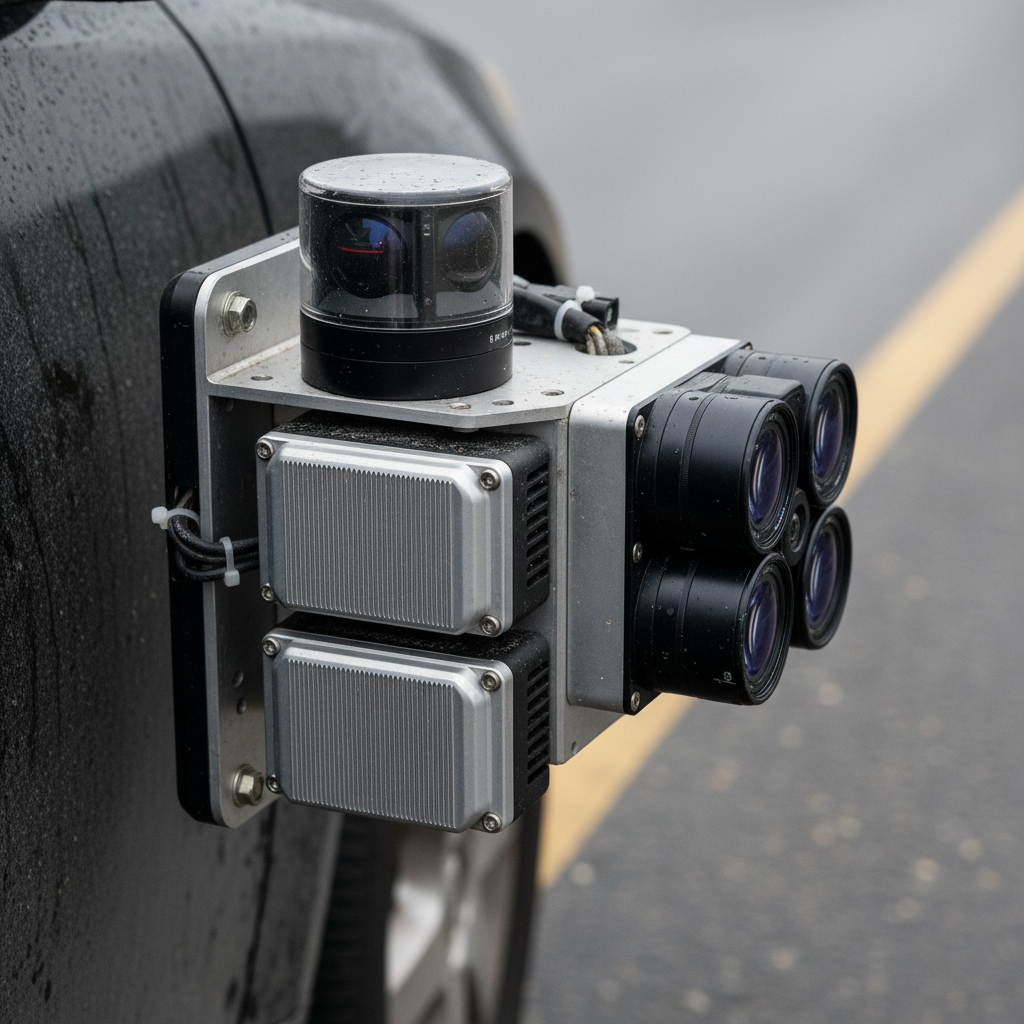
In the world of modern vehicles, radar technology plays a crucial role in ensuring safety on the road. Radar systems are integral to advanced driver-assistance systems (ADAS), helping with functions like adaptive cruise control and collision avoidance. However, like any technology, these systems require regular maintenance and calibration to function optimally.
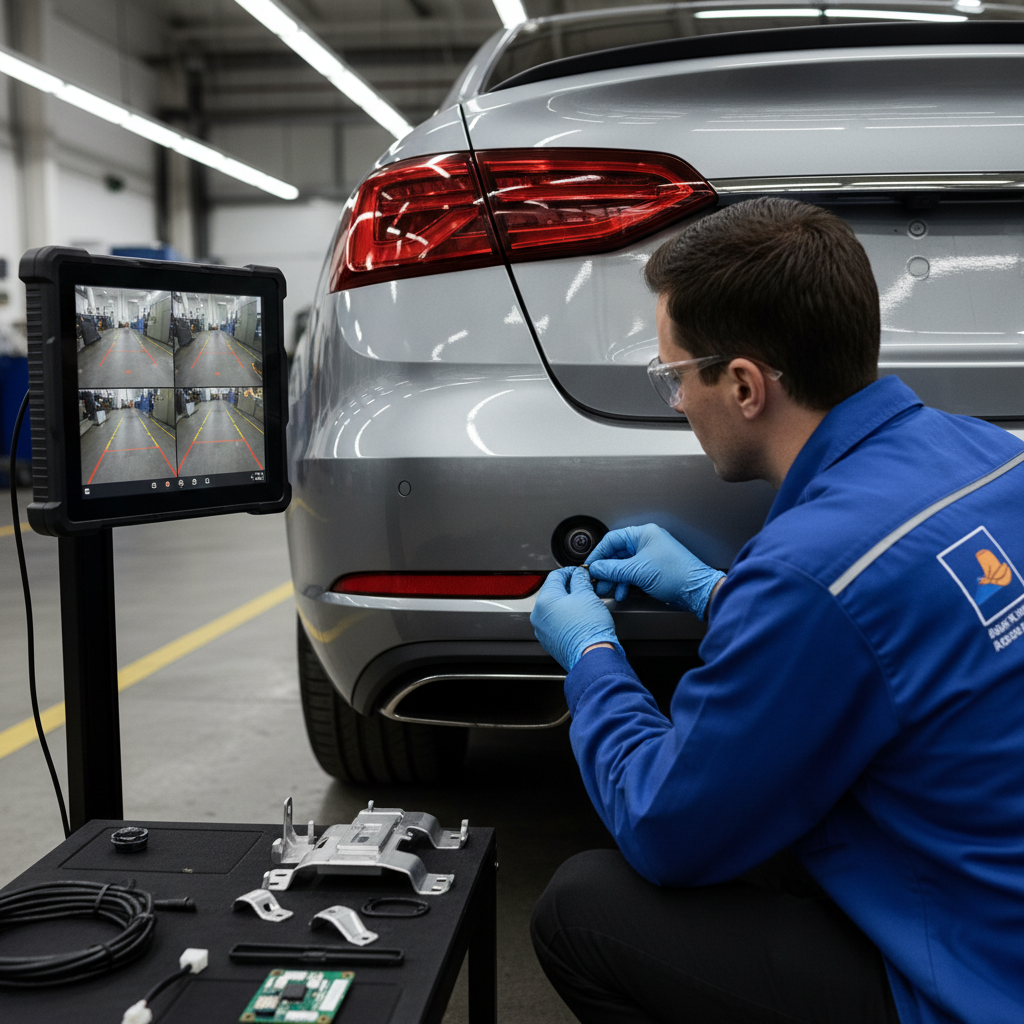
Calibration ensures that the radar sensors are accurately aligned and functioning within the manufacturer's specifications. Without proper calibration, the accuracy and reliability of these systems can be compromised, leading to potential safety hazards.
Why Regular Calibration is Essential
Regular radar calibration is not just a recommendation—it's a necessity. Over time, factors such as minor collisions, wheel alignments, and even regular driving can affect the accuracy of radar sensors. Misalignment can lead to incorrect readings, which may cause the system to malfunction.
When you consider the critical role these systems play in maintaining safe driving conditions, the importance of regular calibration becomes clear. Ensuring that your radar system is working correctly can prevent accidents and enhance the overall driving experience.
Benefits of Radar Calibration
Enhanced Safety
One of the primary benefits of regular radar calibration is enhanced safety. Properly calibrated radars ensure that systems like automatic emergency braking and lane-keeping assist function accurately, thereby reducing the likelihood of accidents.
Improved Performance
A well-calibrated radar system contributes to the vehicle's overall performance. It ensures that the ADAS features work seamlessly, providing a smoother and more reliable driving experience. This not only enhances safety but also adds to the comfort and convenience of driving.
Cost Efficiency
While it might seem like an added expense, regular radar calibration can save money in the long run. Proper calibration helps avoid costly repairs and replacements that might result from malfunctioning systems. Moreover, it can prevent accidents, which can lead to significant financial and emotional costs.
How Often Should You Calibrate Your Radar?
The frequency of radar calibration can vary based on several factors, including the make and model of your vehicle, driving conditions, and the manufacturer's recommendations. Generally, it's advisable to have your radar system checked during regular vehicle maintenance or after any incidents that might affect sensor alignment.
Conclusion
Understanding the benefits of regular radar calibration is crucial for maintaining safety and performance on the road. By ensuring that your vehicle's radar systems are correctly calibrated, you can enjoy a safer, more efficient driving experience. Consider incorporating radar calibration into your routine vehicle maintenance to keep your car in top condition.