
Understanding How to Calibrate Car Radar Systems: A Complete Guide
Understanding Car Radar Systems
Car radar systems are integral to modern vehicle safety features, enhancing capabilities such as adaptive cruise control and collision avoidance. These systems rely on precise calibration to function correctly, ensuring they provide accurate data to the vehicle's safety mechanisms.
Why Calibration is Important
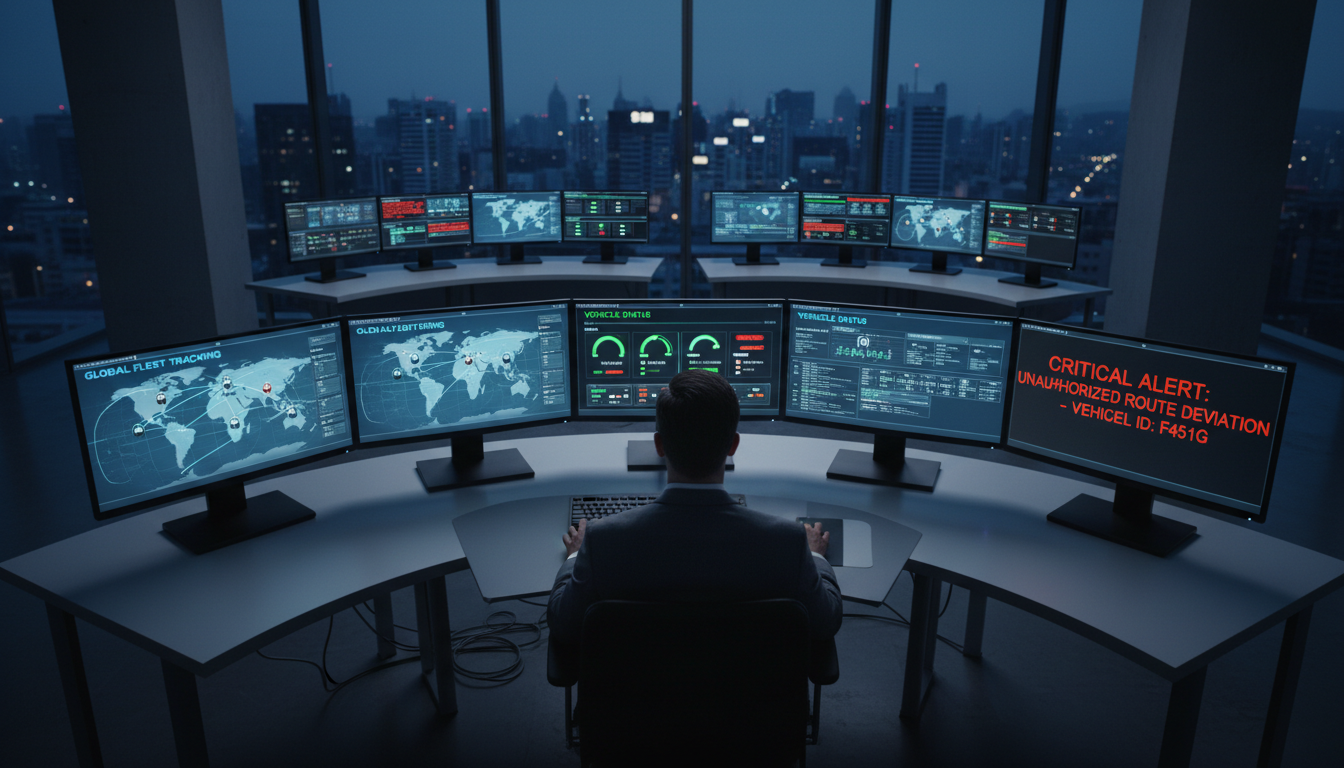
Calibration ensures that radar systems operate within their specified parameters. Without proper calibration, radar sensors may provide inaccurate readings, leading to potential safety risks. Regular calibration helps maintain the integrity and performance of these systems.
Uncalibrated systems might lead to false alerts or even a lack of warnings in critical situations. Therefore, understanding how to calibrate these systems can significantly enhance vehicle safety.
Tools Required for Calibration
Before starting the calibration process, gather the necessary tools. Some of these include:
- Calibration software
- Specialized radar targets
- Diagnostic tools
- Alignment equipment
Having the right tools ensures that the calibration is performed accurately and efficiently.
Steps to Calibrate Car Radar Systems
Follow these steps to calibrate the radar systems effectively:
- Initial Assessment: Begin by assessing the current state of the radar system. Check for any physical damage or misalignment.
- Set Up the Environment: Ensure the car is parked on a level surface and that the surrounding area is clear of obstructions.
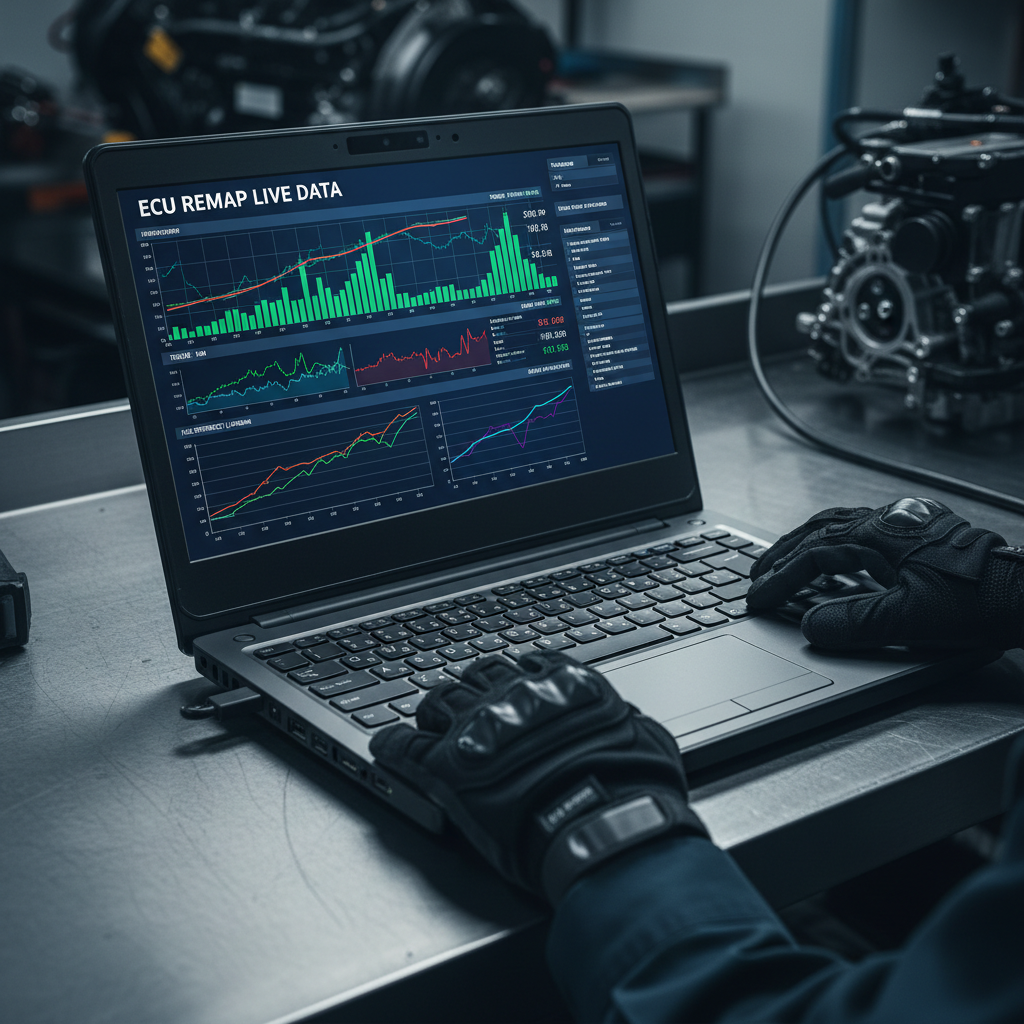
- Use Calibration Tools: Utilize the calibration software and tools to adjust the radar sensors according to the manufacturer's specifications.
- Test the System: After calibration, conduct a series of tests to ensure the radar system is functioning correctly.
Common Calibration Challenges
During the calibration process, you may encounter several challenges. Some common issues include:
- Environmental factors such as lighting and weather conditions affecting the calibration process.
- Technical difficulties with calibration software.
- Misalignment due to improper handling or previous accidents.
Maintaining Radar Systems
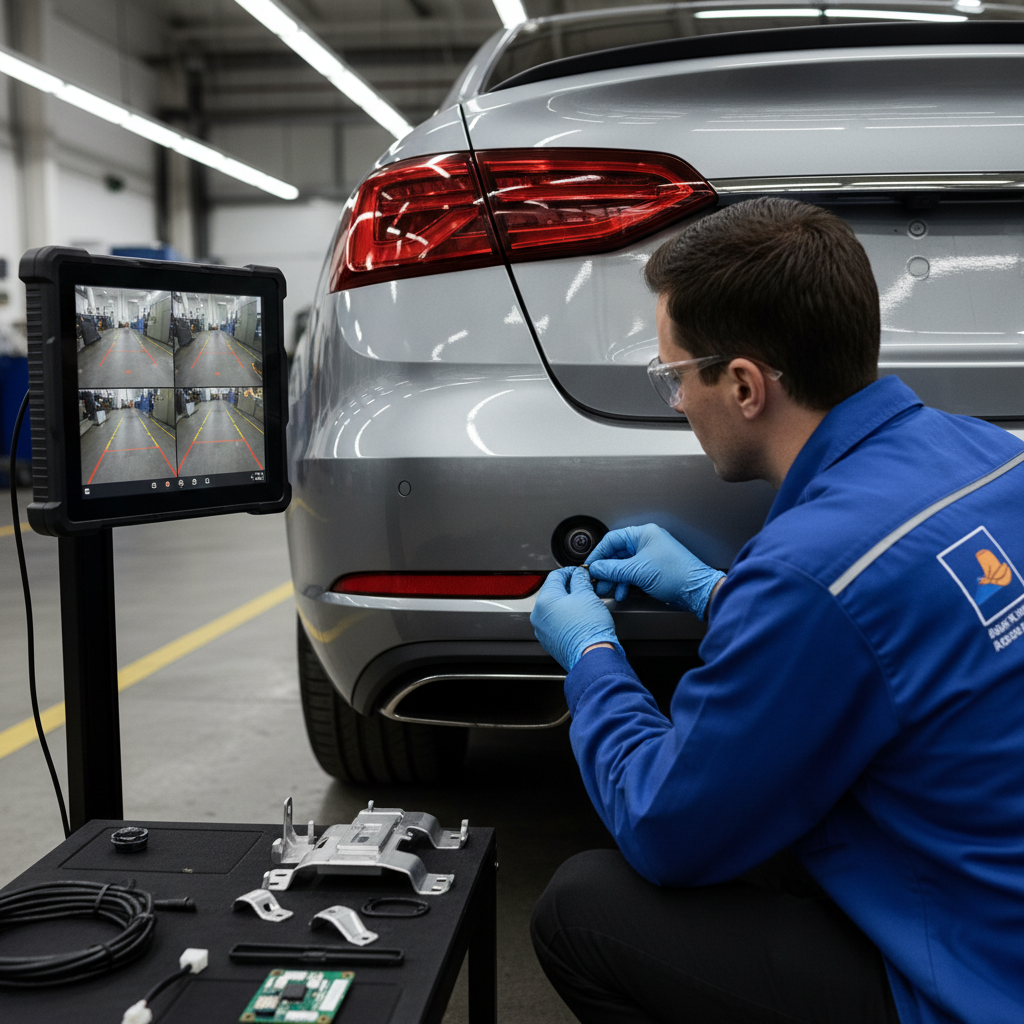
Regular maintenance is crucial for keeping radar systems in top condition. This includes periodic checks and recalibration as needed. Additionally, be mindful of any dashboard alerts indicating radar system issues.
Proactive maintenance can prevent issues from escalating and ensure the longevity of the radar systems, providing peace of mind and enhancing road safety.
Conclusion
Calibrating car radar systems is a vital aspect of vehicle maintenance. By understanding the process and addressing potential challenges, you can ensure that your vehicle's safety features operate optimally. Regular calibration not only enhances safety but also contributes to a smoother driving experience.