
Understanding ADAS: What It Is and How It Works
Understanding ADAS: What It Is and How It Works
Advanced Driver Assistance Systems (ADAS) are revolutionizing the way we drive by enhancing vehicle safety and improving the driving experience. These systems use cutting-edge technology to assist drivers in various ways, making roads safer for everyone.

What is ADAS?
ADAS stands for Advanced Driver Assistance Systems, a collection of electronic technologies designed to aid drivers in driving and parking functions. By using sensors, cameras, and radars, ADAS helps in reducing human error, which is a leading cause of accidents.
These systems are not only focused on offering comfort and convenience but also on enhancing safety. For instance, features like adaptive cruise control, lane departure warning, and automatic emergency braking are becoming increasingly common in modern vehicles.

Key Components of ADAS
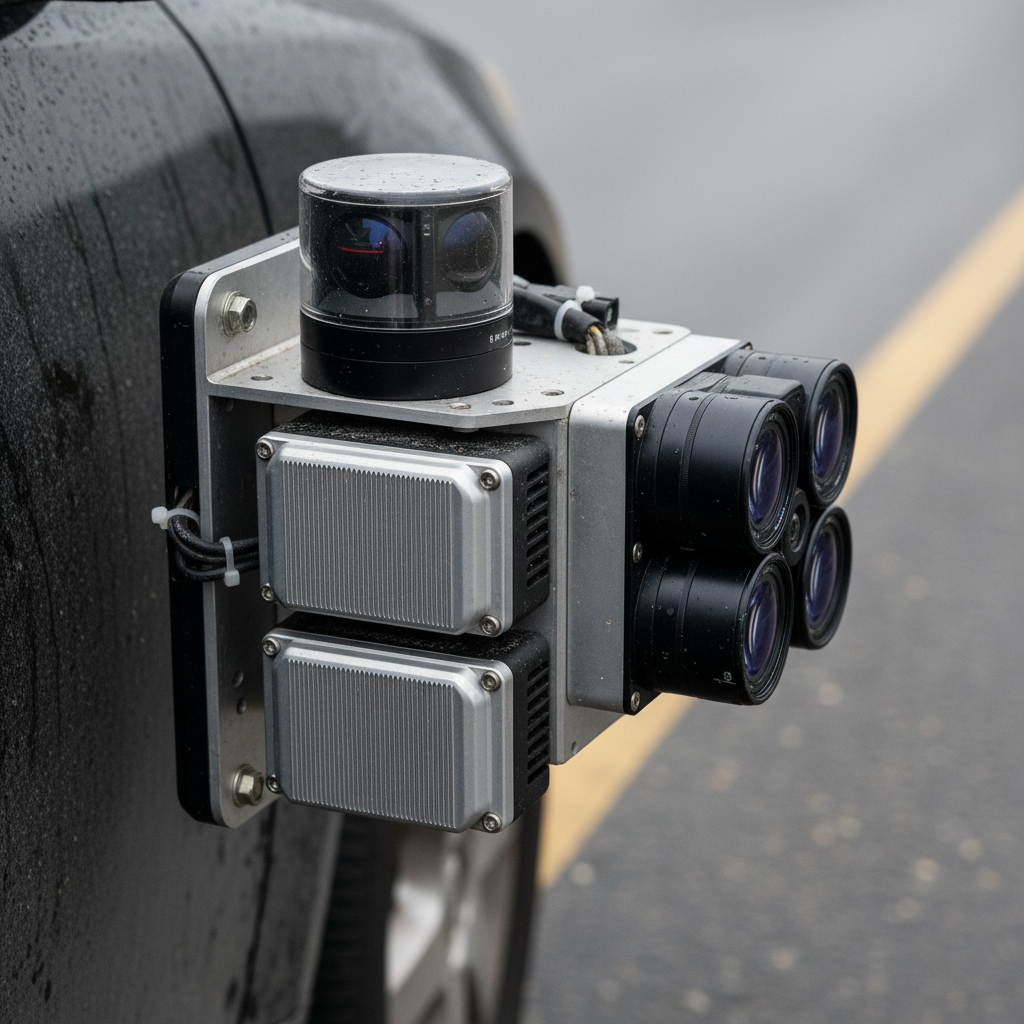
ADAS relies on several key components to function effectively. Here are some of the primary elements:
- Sensors: These include cameras, radar, and ultrasonic sensors that monitor the vehicle's surroundings.
- Data Processors: These analyze data from sensors to make real-time decisions.
- Communication Interfaces: These allow the system to communicate with other vehicle systems and, in some cases, external infrastructure.
How ADAS Works
ADAS functions by continuously monitoring the environment around the vehicle. For example, radar sensors can detect the speed and distance of other vehicles, while cameras can recognize lane markings and traffic signs. This information is processed to provide inputs to the driver or take automated action.
Here’s how some common ADAS features work:
- Adaptive Cruise Control: Adjusts the vehicle speed to maintain a safe distance from the car ahead.
- Lane Keeping Assist: Warns the driver or automatically steers the vehicle back into the lane if it detects unintended lane departure.
- Automatic Emergency Braking: Applies brakes automatically to prevent a collision or mitigate its severity.
Benefits of ADAS
ADAS provides numerous benefits, significantly enhancing road safety and driving comfort. By reducing the likelihood of accidents, these systems not only protect the vehicle occupants but also pedestrians and other road users.
Moreover, these systems can lead to cost savings by minimizing damage from potential accidents, reducing insurance premiums, and improving fuel efficiency through optimized driving patterns.
The Future of ADAS
As technology advances, ADAS is expected to become even more sophisticated, paving the way for autonomous vehicles. Future systems will likely integrate more advanced AI and machine learning algorithms, offering even greater levels of assistance and safety.
The integration of Vehicle-to-Everything (V2X) communication will further enhance the capabilities of ADAS, allowing vehicles to communicate with each other and with infrastructure to improve traffic flow and safety.

In conclusion, ADAS is a crucial step toward the future of driving, offering enhanced safety and convenience. As these systems continue to evolve, they hold the promise of transforming our roads into safer and more efficient spaces.