
Understanding ADAS: How It Works and Why It Matters
What is ADAS?
Advanced Driver Assistance Systems (ADAS) are technologies designed to enhance vehicle safety and improve the driving experience. By utilizing sensors, cameras, and advanced algorithms, ADAS provides critical information to drivers, helping them make informed decisions on the road. These systems range from simple alerts to complex autopilot functionalities.

The Core Components of ADAS
ADAS relies on a combination of hardware and software to function effectively. Key components include:
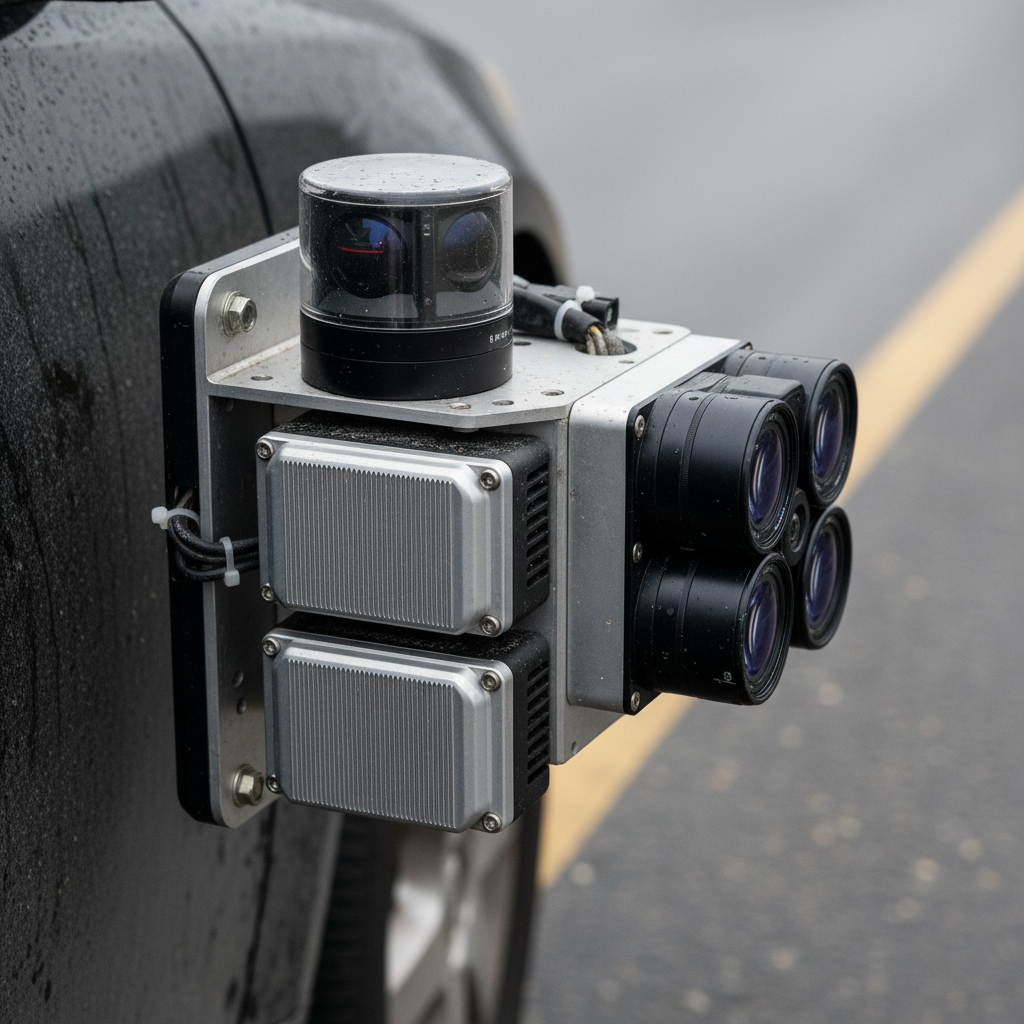
- Sensors: These gather data from the vehicle's surroundings. Common types include radar, LIDAR, and ultrasonic sensors.
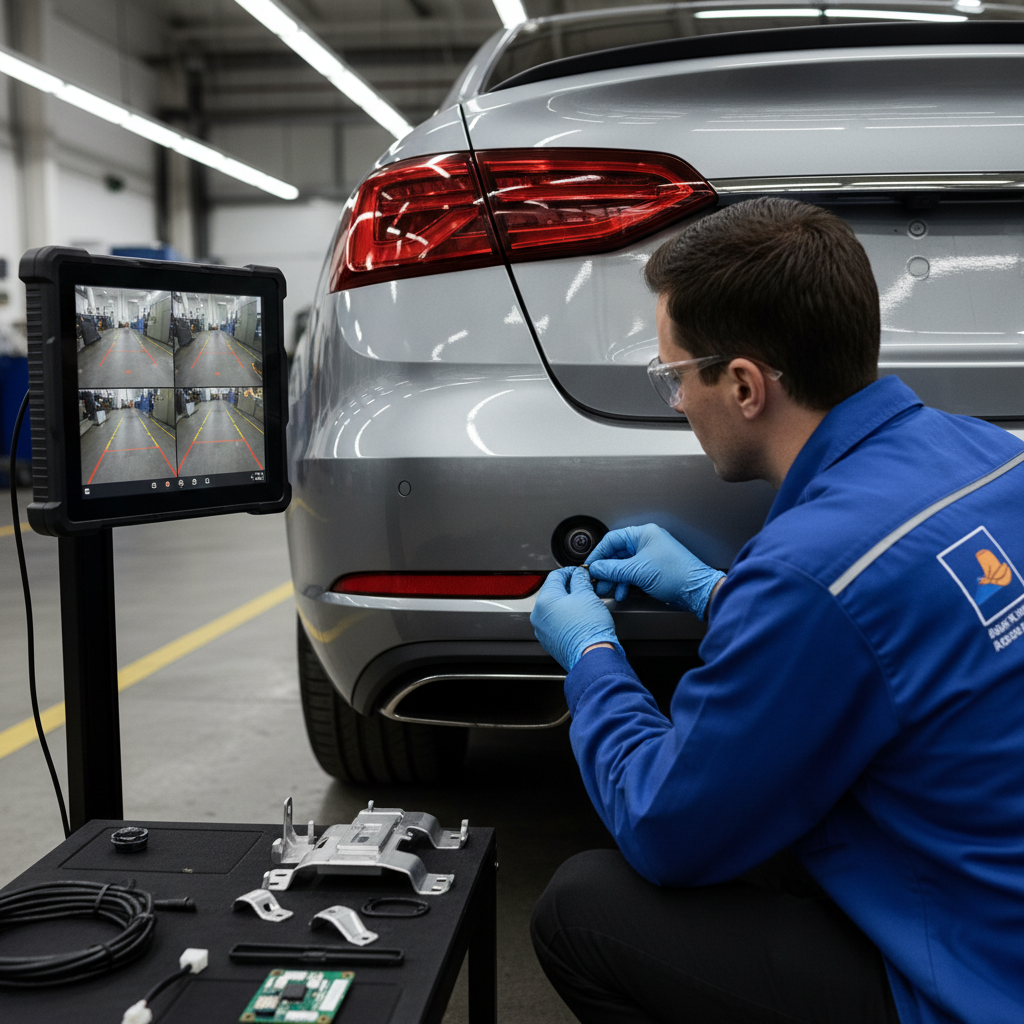
- Cameras: Used for lane detection, object recognition, and traffic sign identification.
- Control Units: Process the data collected by sensors and cameras to make real-time decisions.
How ADAS Works
ADAS operates by continuously monitoring the vehicle's environment. The system processes information from its sensors and cameras to detect potential hazards. If a threat is identified, the system can alert the driver or take corrective actions, such as automatic braking or steering adjustments.
Types of ADAS Features
There are several types of ADAS features designed to address various aspects of driving safety and convenience. Some of the most common include:
- Adaptive Cruise Control: Automatically adjusts the vehicle's speed to maintain a safe distance from the car ahead.
- Lane Departure Warning: Alerts the driver if the vehicle begins to drift out of its lane without signaling.
- Blind Spot Detection: Monitors areas that are difficult for the driver to see and warns of approaching vehicles.
Why ADAS Matters
ADAS plays a crucial role in reducing traffic accidents and fatalities. By assisting drivers in maintaining control and awareness, these systems help prevent collisions and improve road safety. The implementation of ADAS features is seen as a stepping stone towards fully autonomous vehicles.
The Future of ADAS
The future of ADAS is promising, with ongoing advancements in artificial intelligence and machine learning. As these technologies evolve, we can expect even more sophisticated systems that offer enhanced safety and convenience. The integration of vehicle-to-everything (V2X) communication will further enable cars to interact with their surroundings, providing a seamless driving experience.
In conclusion, ADAS is transforming the way we think about driving, making it safer and more efficient. As these systems continue to develop, they promise to bring us closer to the vision of fully autonomous vehicles, reshaping the future of transportation.