
Top Misconceptions About ADAS Calibration and How to Avoid Them
Understanding ADAS Calibration
Advanced Driver Assistance Systems (ADAS) are becoming increasingly common in modern vehicles, offering features like lane departure warnings and adaptive cruise control. However, the calibration of these systems is often misunderstood. Proper calibration is crucial for safety and performance, ensuring that the systems function as intended. Misunderstandings about ADAS calibration can lead to improper maintenance and potential hazards.

Misconception 1: Calibration Is Only Necessary After a Collision
One common misconception is that ADAS calibration is only required after a vehicle has been in a collision. While it's true that a collision can disrupt ADAS sensors, calibration may also be necessary after routine maintenance, such as windshield replacement or suspension work. Even minor adjustments can affect sensor accuracy, making regular checks essential.
Misconception 2: All Calibrations Are the Same
Not all ADAS calibrations are identical. The process can vary significantly depending on the vehicle make and model, as well as the specific systems involved. Some vehicles may require static calibration in a controlled environment, while others might need dynamic calibration performed on the road. Understanding the specific needs of your vehicle is crucial for effective calibration.
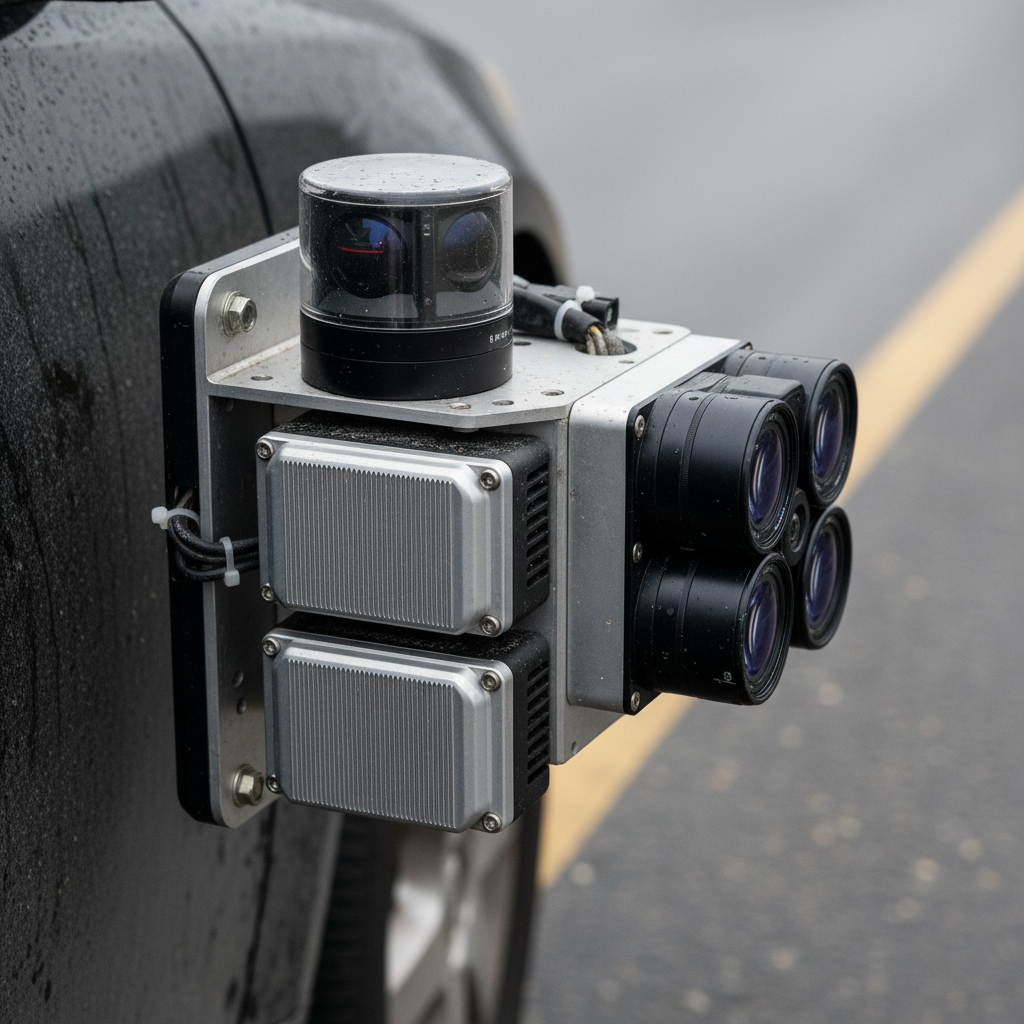
How to Avoid ADAS Calibration Misconceptions
To avoid falling into the trap of these misconceptions, vehicle owners and service providers must stay informed. Here are some tips to ensure accurate ADAS calibration:
- Consult the Manufacturer's Guidelines: Always refer to the manufacturer's guidelines for specific calibration procedures and schedules.
- Use Qualified Technicians: Ensure that technicians are trained and certified in ADAS calibration for your vehicle type.
- Regular Checks: Include ADAS calibration checks as part of your regular vehicle maintenance routine.
Misconception 3: Calibration Can Be Done Without Specialized Tools
Another widespread belief is that ADAS calibration can be performed without specialized tools. In reality, proper calibration requires precise instruments and software to ensure accuracy. Attempting to calibrate ADAS systems without the right tools can lead to errors and compromised safety.

Misconception 4: It's Overly Expensive and Time-Consuming
Some vehicle owners may avoid calibration because they perceive it as costly and time-consuming. While there is a cost involved, the price of not calibrating can be much higher, both in terms of safety and potential repair costs. Many calibration services are efficient, and scheduling regular checks can prevent more significant issues down the line.
In conclusion, understanding and addressing misconceptions about ADAS calibration is vital for maintaining vehicle safety and performance. By staying informed and proactive, drivers can ensure that their ADAS systems operate effectively and reliably, enhancing both safety and driving experience.