The Importance of Regular Radar Calibration for ADAS Safety
Understanding ADAS and Its Components
Advanced Driver Assistance Systems (ADAS) are revolutionizing the automotive industry by enhancing vehicle safety and improving the driving experience. These systems use a combination of sensors, cameras, and radar to monitor the car's surroundings and assist drivers in making informed decisions. Among these components, radar plays a crucial role in detecting objects, measuring distances, and calculating relative speeds.
Regular calibration of radar systems is essential to maintain the accuracy and reliability of ADAS. Without proper calibration, these systems might deliver incorrect readings, leading to potential safety hazards on the road.

The Role of Radar in ADAS
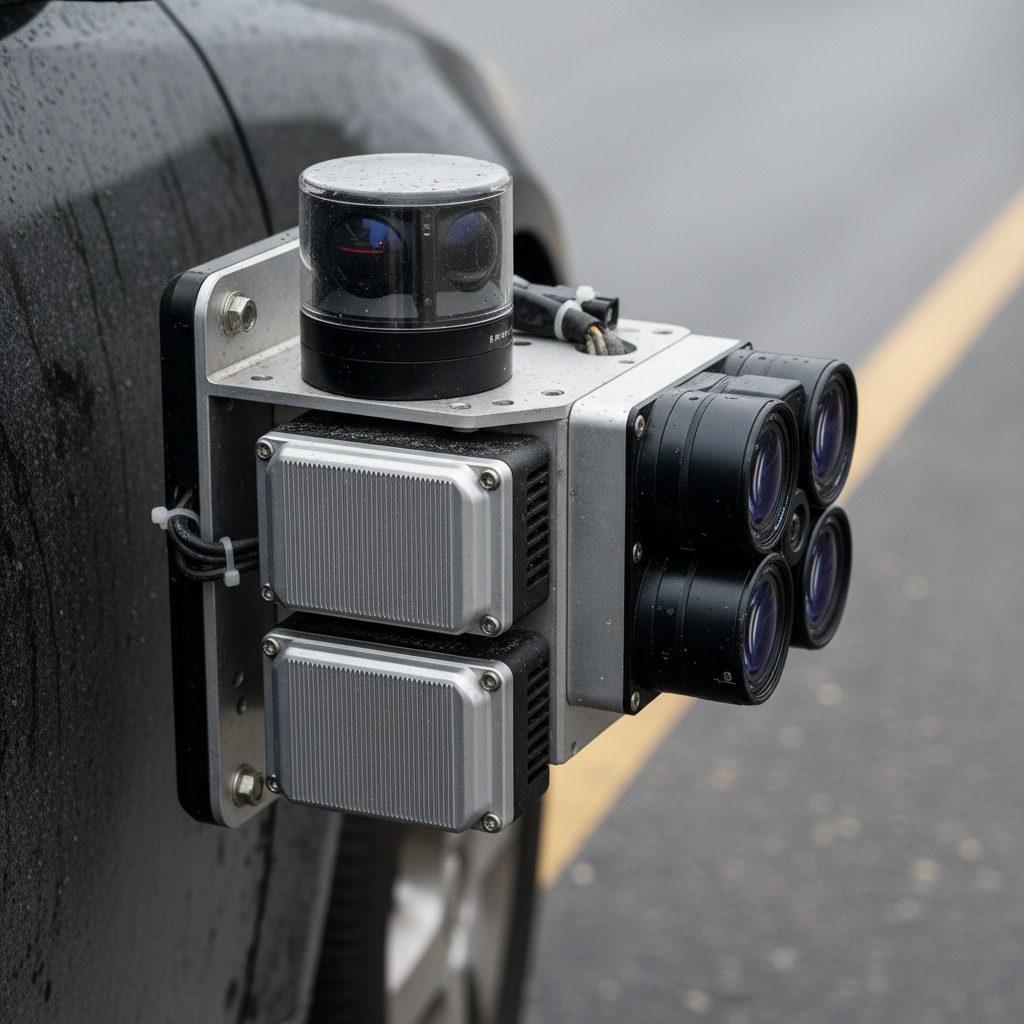
Radar sensors are integral to many ADAS features, including adaptive cruise control, collision avoidance, and lane departure warnings. They emit radio waves that bounce off objects, allowing the system to gauge the position and speed of nearby vehicles. This information helps in maintaining safe distances and preventing collisions.
However, the effectiveness of radar sensors can be compromised over time due to factors like physical impacts, environmental conditions, and even minor alterations in the vehicle's alignment. This makes regular calibration not just beneficial, but necessary.
Why Regular Calibration is Essential
Calibration ensures that radar sensors continue to function optimally. Here are some key reasons why regular calibration is important:
- Accuracy: Proper calibration allows radar sensors to deliver precise readings, crucial for the correct functioning of ADAS.
- Safety: Misaligned sensors can lead to false alarms or, worse, fail to detect obstacles, compromising safety.
- Efficiency: Regular calibration helps maintain the system's efficiency, ensuring that features like adaptive cruise control operate smoothly.
How Calibration is Performed
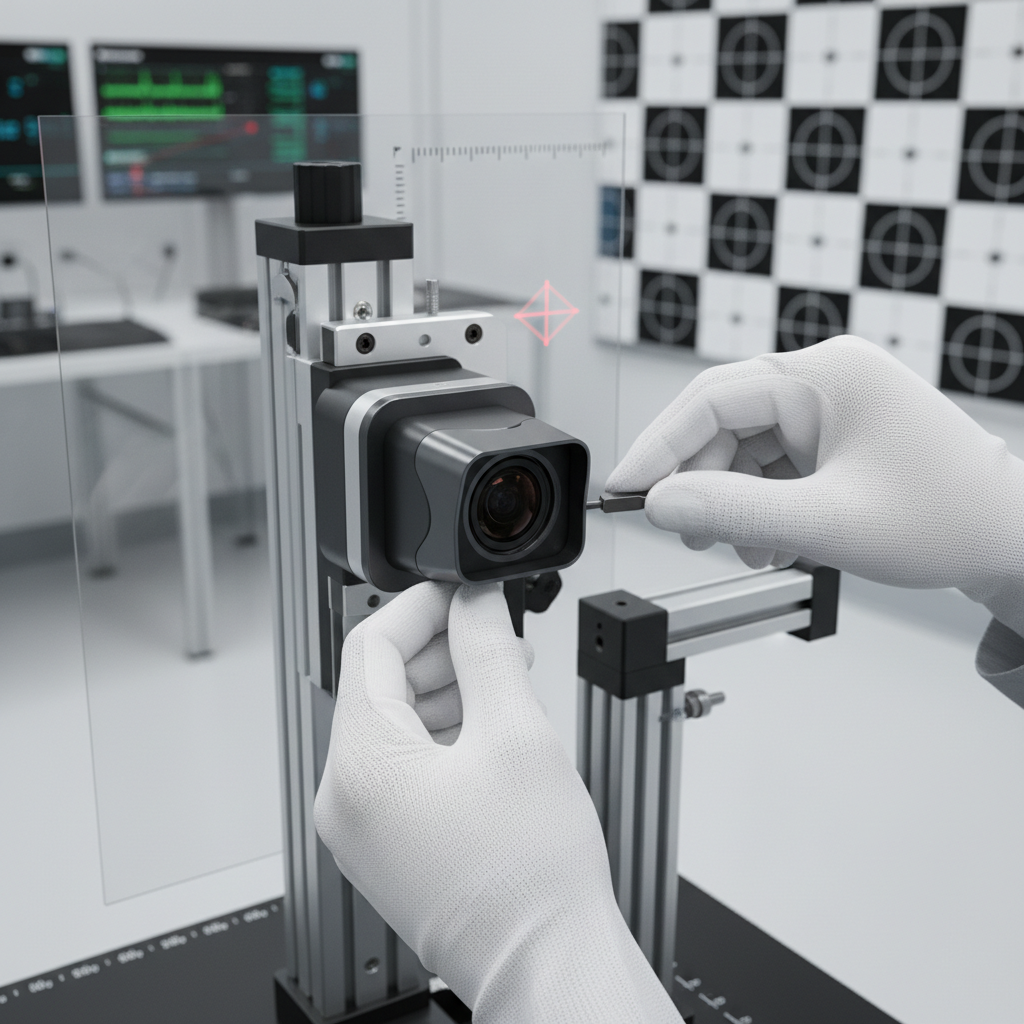
Radar calibration typically involves aligning the sensors with the vehicle's central axis and ensuring their angles are correctly set. This process may require specialized equipment and should ideally be performed by trained professionals. During calibration, technicians may also test the sensors' response to various conditions to ensure they are functioning correctly.
Signs Your Radar Needs Calibration
There are several indicators that your vehicle's radar system may need calibration:
- Frequent false alarms from collision warning systems.
- Inconsistent behavior in adaptive cruise control.
- Warning lights on the dashboard related to ADAS features.
If you notice any of these signs, it's essential to have your radar system checked and calibrated as soon as possible to ensure your driving safety.
Conclusion: Prioritizing Safety
In conclusion, regular radar calibration is a vital aspect of maintaining ADAS functionality and ensuring road safety. As vehicles become increasingly reliant on these advanced systems, taking proactive steps to ensure their accuracy becomes imperative.
By prioritizing regular calibration, drivers can enjoy the full benefits of ADAS, knowing their systems are providing reliable and accurate assistance on every journey.