
How to Identify When Your Car Needs ADAS Calibration
Understanding ADAS and Its Importance
Advanced Driver Assistance Systems (ADAS) are increasingly common in modern vehicles. These systems, which include features like lane departure warnings, adaptive cruise control, and automatic braking, rely on precise calibration to function correctly. Proper ADAS calibration ensures the safety and efficiency of your vehicle's advanced features.
Signs Your Car Needs ADAS Calibration
Identifying when your car requires ADAS calibration can prevent potential safety issues. Here are some signs that your vehicle may need attention:
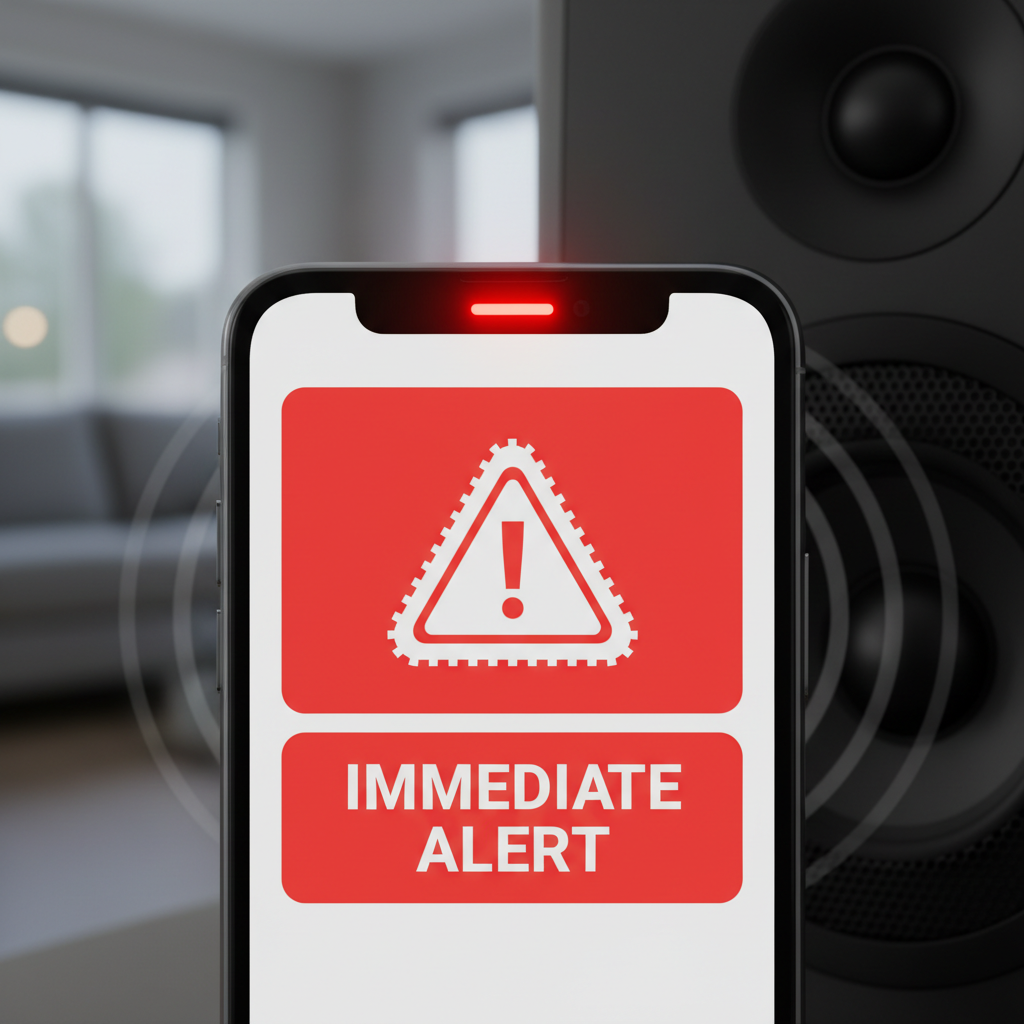
Dashboard Warnings
If you notice any warning lights or error messages on your dashboard related to ADAS features, it's a clear indicator that your system might need recalibration. These warnings should not be ignored, as they can affect the overall functionality of your vehicle's safety systems.
Recent Repairs or Adjustments
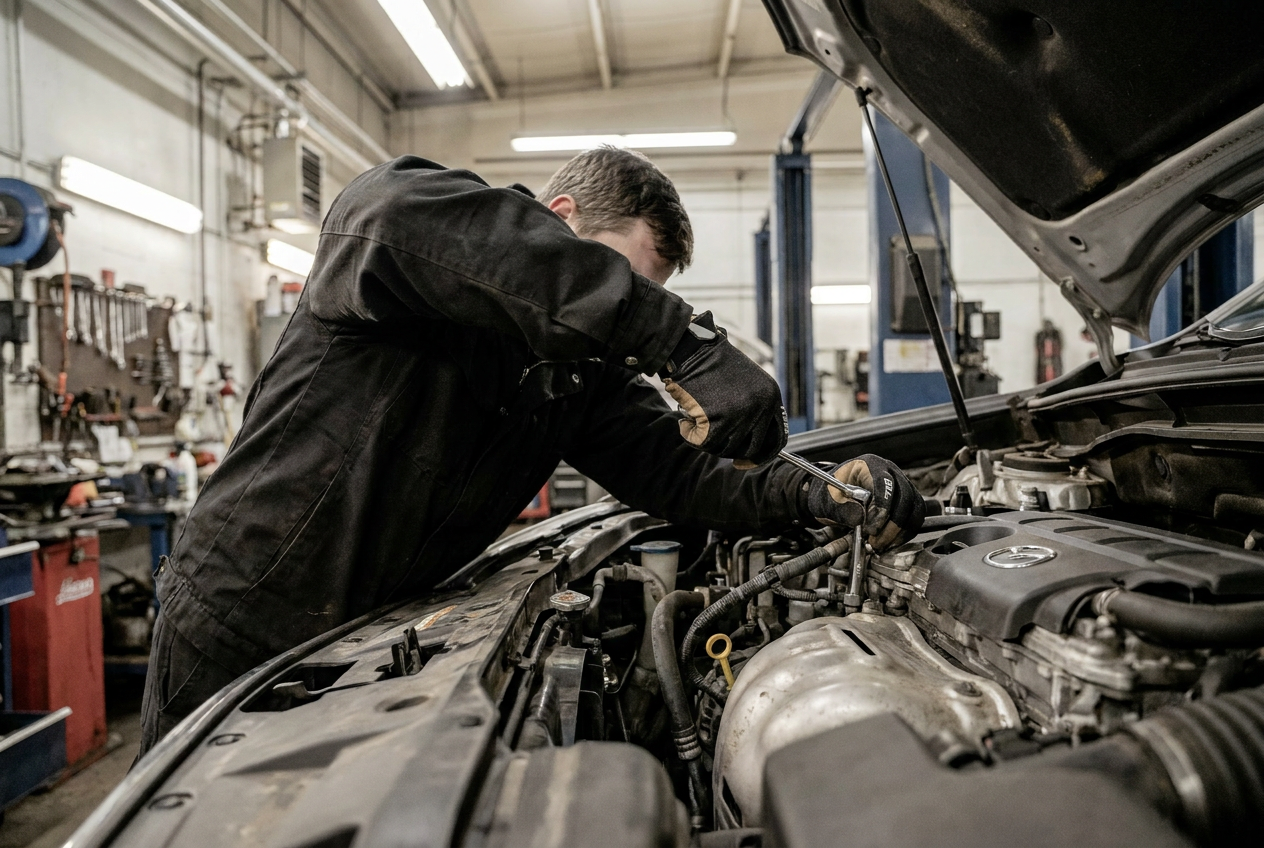
Have you recently had your windshield replaced or your car's suspension adjusted? Such changes can affect the alignment and calibration of ADAS sensors. After any significant repair or adjustment, it's essential to have your ADAS checked.
Performance Issues
If you experience unusual behavior in ADAS features, such as the lane departure warning activating inaccurately or the adaptive cruise control not maintaining proper distances, recalibration may be necessary. Consistent performance issues indicate that the sensors might be misaligned.
When to Schedule ADAS Calibration
Understanding the timing for ADAS calibration is crucial. Regular maintenance and post-repair checks are common reasons to schedule a calibration. Here are specific scenarios when you should consider it:
- After replacing or adjusting the windshield
- Following a collision or minor accident
- When experiencing sensor-related performance issues
Choosing the Right Professional
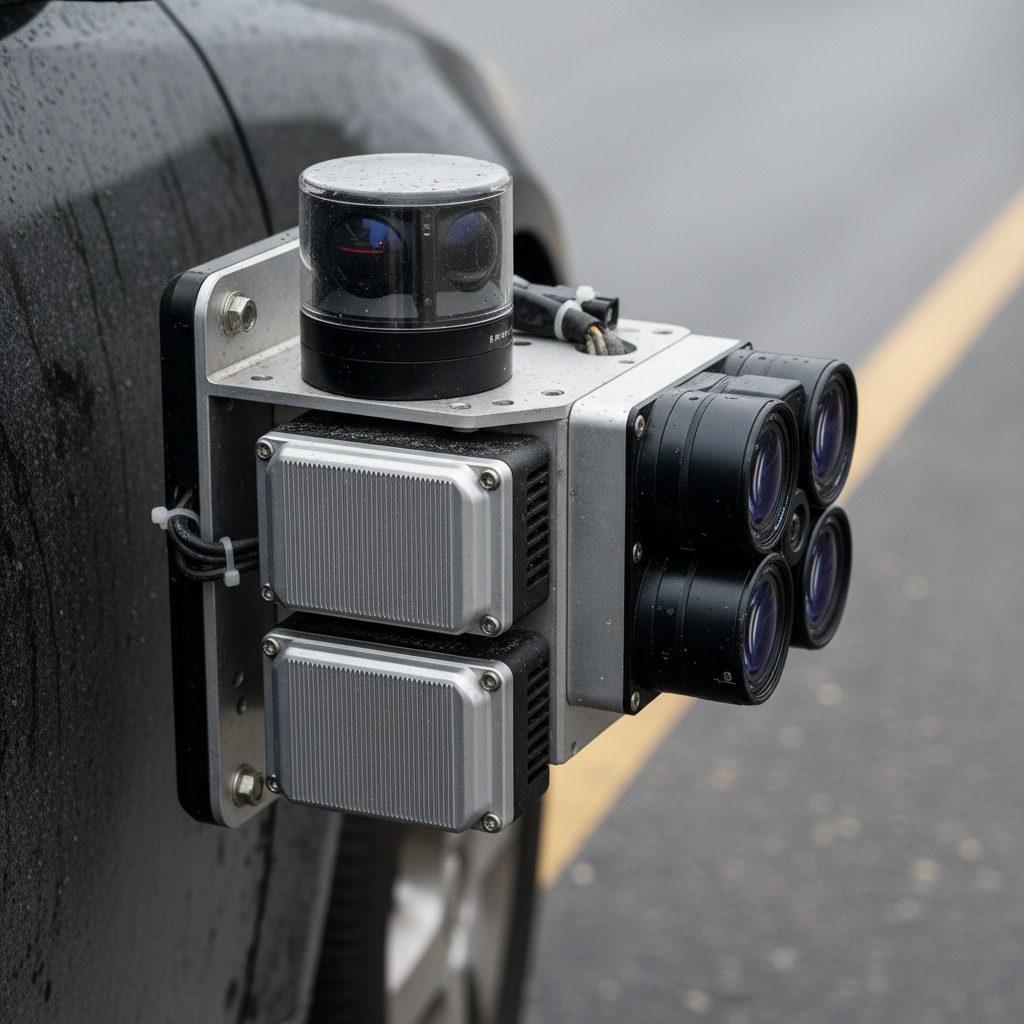
ADAS calibration requires specialized equipment and expertise. It's important to choose a professional service provider who is experienced in handling advanced vehicle systems. Ensure that the service center has the necessary tools and trained technicians to perform accurate calibration.
Verification and Testing
After calibration, it's crucial to verify and test the ADAS features to ensure they are functioning correctly. A reputable service provider will typically conduct a series of tests to confirm the proper operation of all systems.
Conclusion
Regular ADAS calibration is vital for maintaining the safety and efficiency of your vehicle's advanced systems. By paying attention to warning signs and scheduling timely calibrations, you can ensure that your car remains in optimal condition, providing you with a safer driving experience.