
Expert Tips for Maintaining Your Vehicle’s ADAS System
Understanding Your Vehicle's ADAS
Advanced Driver Assistance Systems (ADAS) are revolutionizing the way we drive, offering enhanced safety and convenience. These systems include features like adaptive cruise control, lane departure warnings, and automated parking. However, to ensure they function optimally, regular maintenance is essential.
Regular Software Updates
Just like your smartphone or computer, ADAS requires regular software updates to function correctly. Manufacturers continually improve these systems, adding new features and fixing bugs. Regularly check with your dealer or auto manufacturer for updates. Keeping your system updated ensures that it performs at its best and maintains safety standards.

Calibrating Sensors and Cameras
Cameras and sensors are crucial components of ADAS, providing the data needed for features like collision avoidance and lane-keeping assistance. These components can become misaligned due to everyday driving or minor accidents. Regular calibration by a professional is essential to maintain accuracy and reliability.
Some vehicles may display warning lights or messages if sensors are misaligned. It's important not to ignore these alerts, as they could compromise your vehicle's safety features.
Keeping Components Clean
Dirt, snow, or ice can obstruct sensors and cameras, leading to reduced performance or false alerts. Regularly clean these components, especially during adverse weather conditions. Use a soft cloth and mild cleanser to avoid scratching sensitive surfaces.
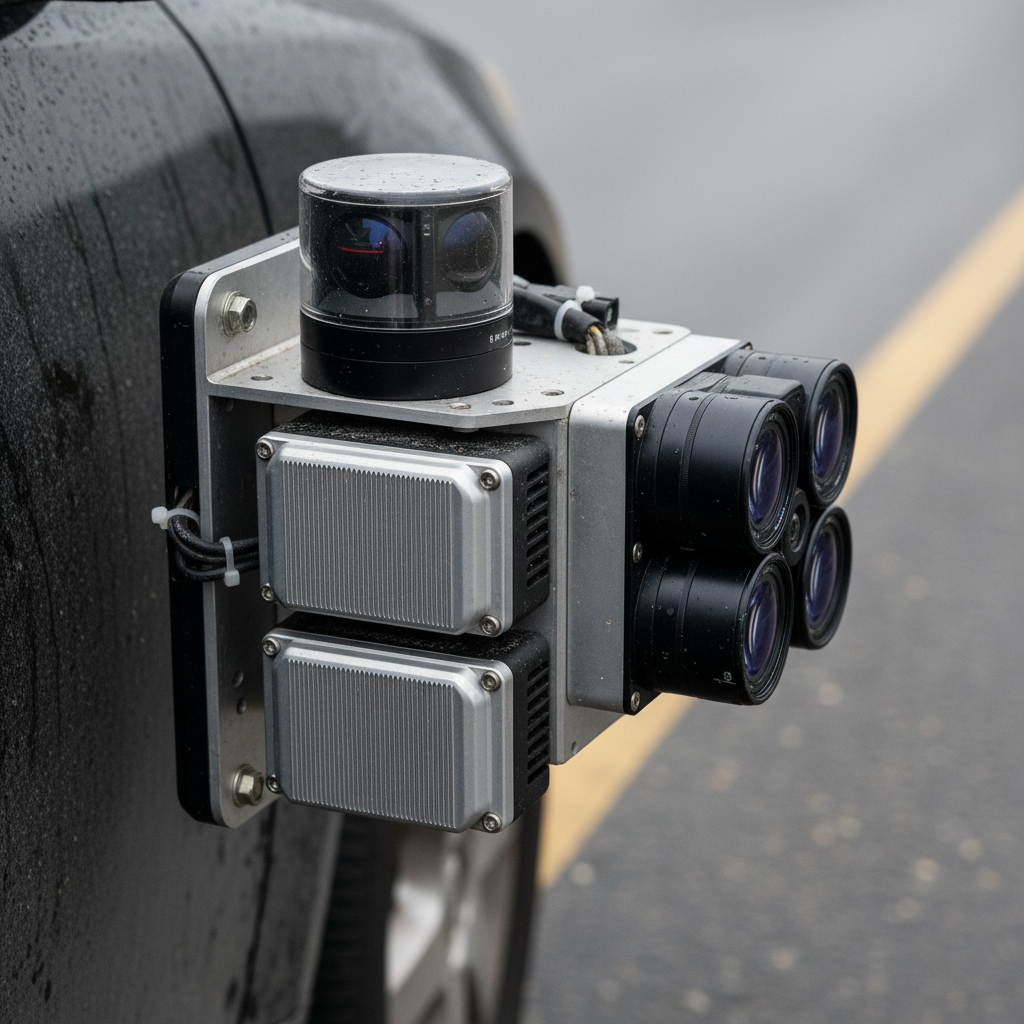
Inspecting Wiring and Connections
Wiring and connections are the backbone of any electronic system, and ADAS is no exception. Regular inspections can help identify frayed wires or loose connections that might lead to system failures. If you notice any issues, seek professional assistance to ensure everything is secure and functioning correctly.
Understanding Limitations
While ADAS offers impressive capabilities, it's crucial to understand its limitations. These systems are designed to assist, not replace, human drivers. Always remain attentive and ready to take control, especially in complex driving situations. Knowing when to rely on ADAS and when to take over can prevent accidents.

Conclusion
Maintaining your vehicle's ADAS is key to ensuring safety and performance. By keeping software updated, calibrating sensors, and understanding the system's limitations, you can enjoy a safer, more convenient driving experience.
For any concerns or detailed maintenance, always consult with a certified professional. Proper care and attention will help your ADAS perform optimally, providing peace of mind on every journey.