
DIY vs. Professional ADAS Calibration: What You Need to Consider
Understanding ADAS Calibration
Advanced Driver Assistance Systems (ADAS) are crucial for modern vehicles, enhancing safety and driving efficiency. These systems rely on sensors and cameras, which must be accurately calibrated to function correctly. The choice between DIY and professional ADAS calibration is significant and involves several considerations.
The Importance of Proper Calibration
Proper calibration of ADAS is essential for the system's accuracy. Misalignment can lead to incorrect readings, which might compromise safety features like lane-keeping assistance or adaptive cruise control. Therefore, it's vital to ensure calibration is done correctly, whether through DIY methods or professional services.
Improper calibration can result in:
- Inaccurate sensor readings
- Ineffective safety features
- Increased risk of accidents
DIY Calibration: Pros and Cons
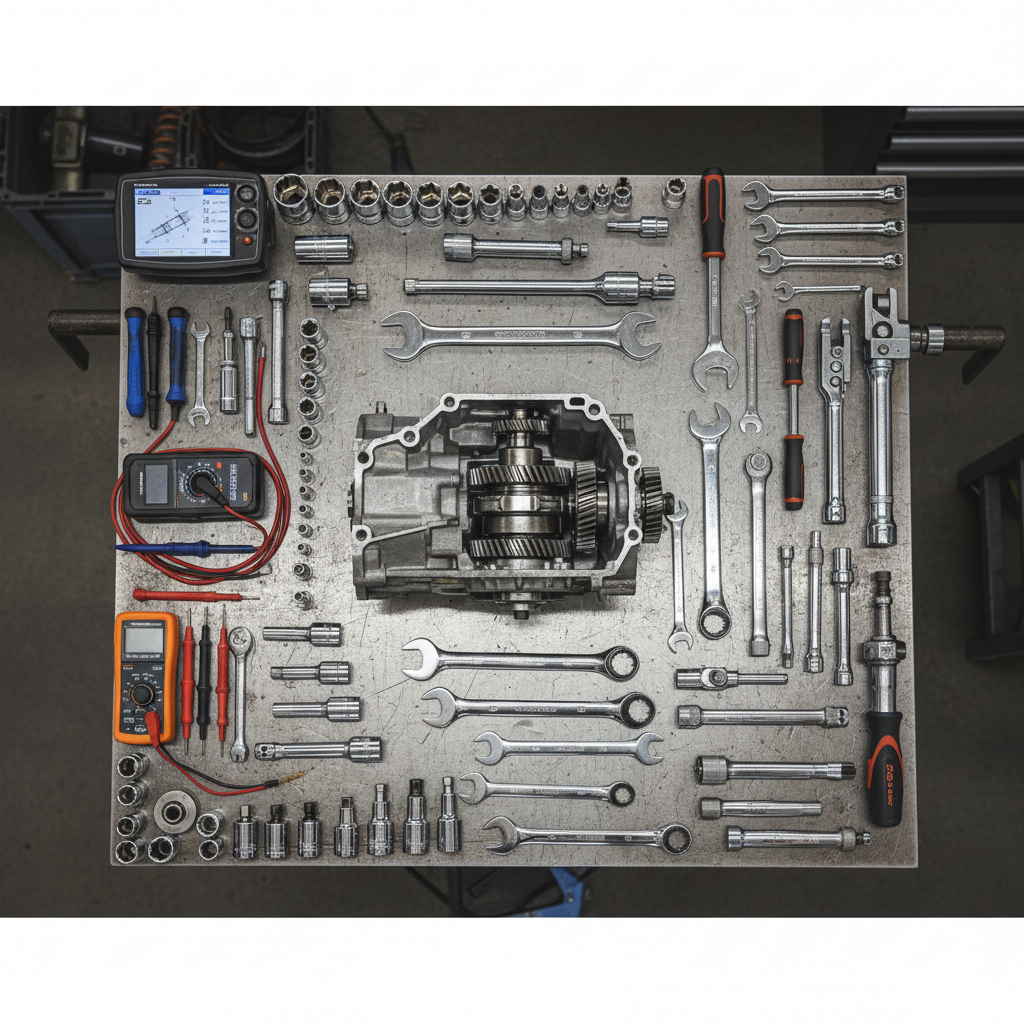
Some vehicle owners opt for DIY calibration to save costs and time. With online tutorials and readily available tools, DIY calibration can be tempting. However, it has its limitations.
Pros of DIY Calibration:
- Cost savings
- Convenience of doing it at home
- Learning experience
Cons of DIY Calibration:
- Lack of specialized equipment
- Possibility of errors
- Time-consuming process
Professional ADAS Calibration
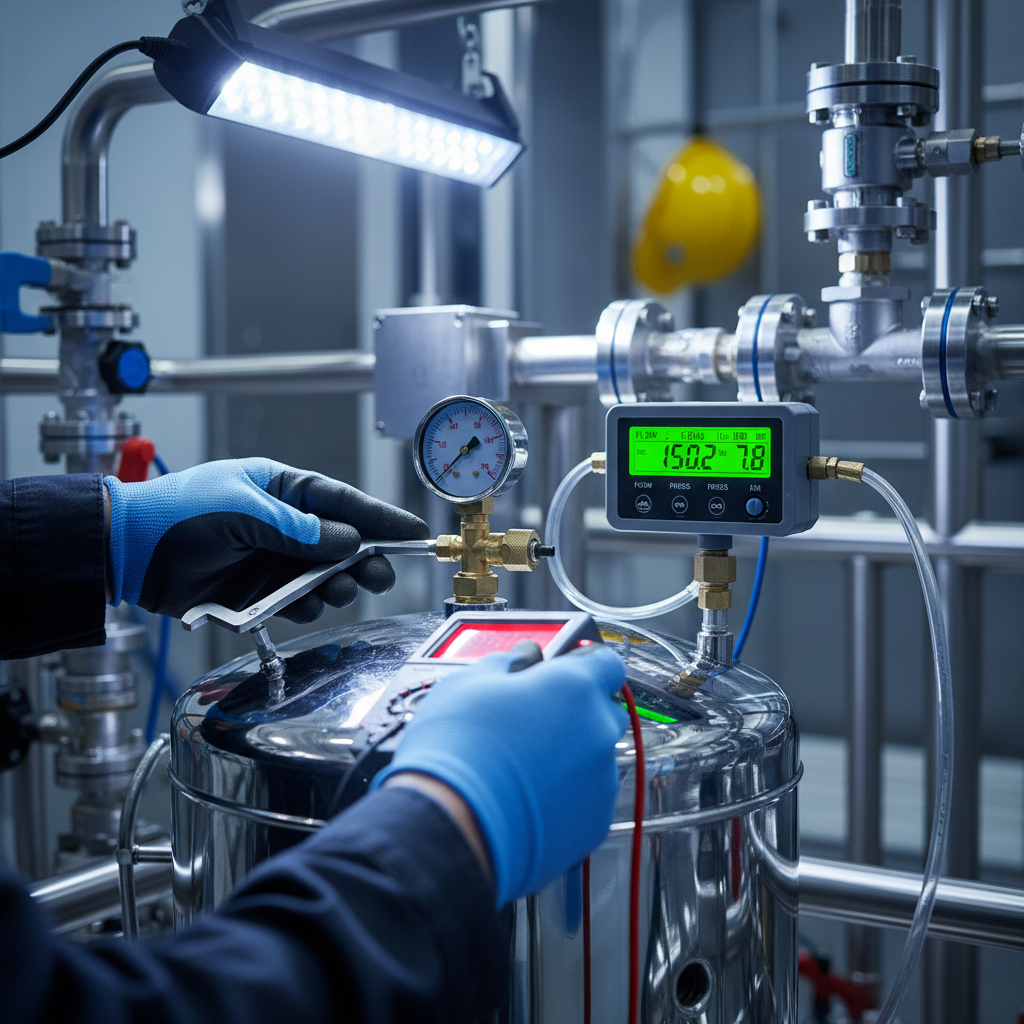
Professional calibration services are conducted by trained technicians using specialized equipment. This option, while more costly, offers peace of mind and ensures precise calibration.
Advantages of Professional Calibration:
- Access to advanced equipment
- Expertise of trained professionals
- Warranty and support
Choosing the Right Option
The decision between DIY and professional calibration depends on several factors, including budget, technical expertise, and the specific needs of your vehicle. Vehicle owners should weigh the long-term benefits of professional calibration against the immediate savings of a DIY approach.
Consider these questions:
- Do you have the necessary tools and skills?
- Is your vehicle under warranty?
- How critical are the ADAS features for your driving safety?
Conclusion
Ultimately, the choice between DIY and professional ADAS calibration should be based on careful consideration of the potential risks and benefits. While DIY methods may initially save money, professional calibration ensures accuracy and safety, which are invaluable when it comes to advanced driving systems.