
DIY Radar Calibration: What You Can and Can't Do at Home
Understanding Radar Calibration
Radar systems play a crucial role in various applications, from automotive technology to weather monitoring. Calibration ensures that radar systems perform accurately and efficiently. However, not all calibration tasks can be done at home. Understanding what you can and cannot do is essential for anyone interested in DIY radar calibration.
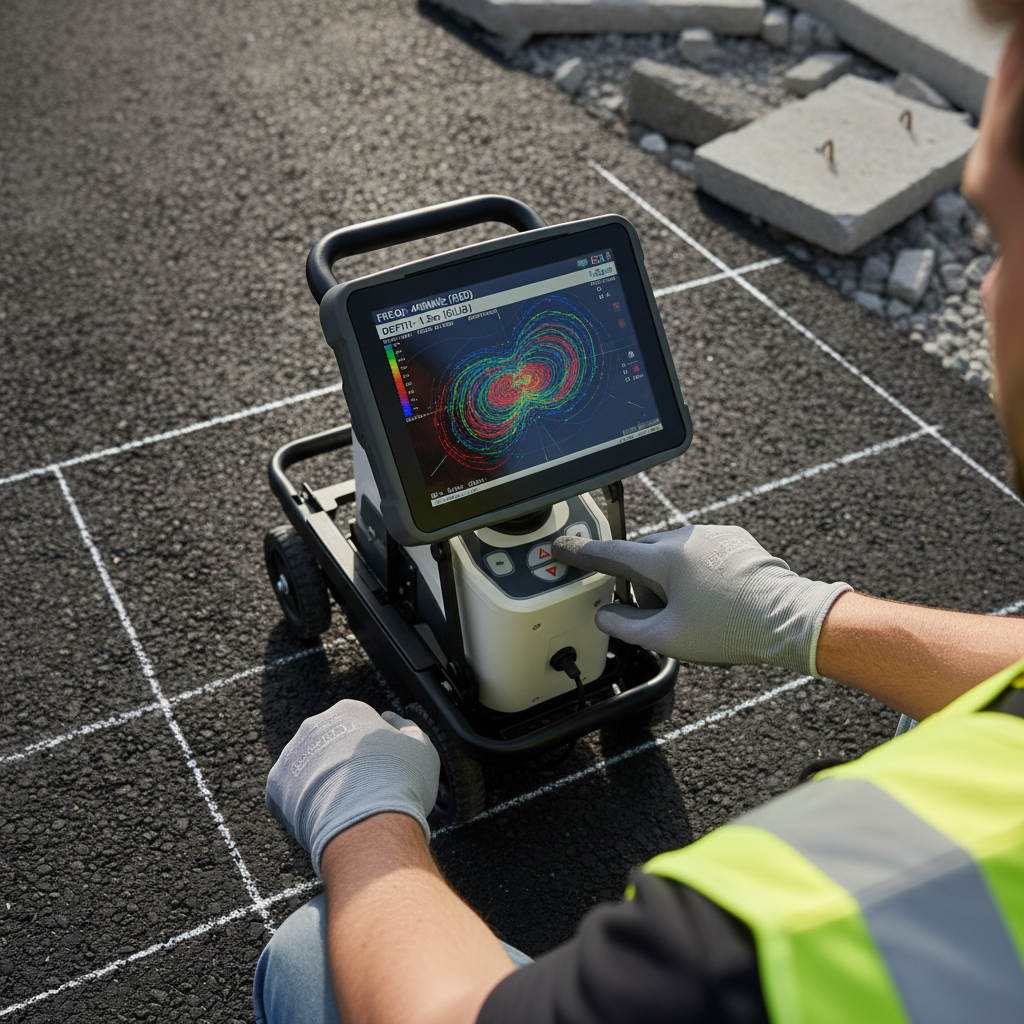
While professional calibration services provide comprehensive accuracy, some basic tasks can be performed by enthusiasts. These tasks often involve checking the alignment and functionality of the system rather than full-scale calibration.
What You Can Do at Home
Basic System Checks
One of the simplest tasks you can perform is conducting basic system checks. This involves ensuring that all components are functioning properly and that there are no obvious faults in the radar system. Regular maintenance can prevent minor issues from escalating into major problems.
Software Updates
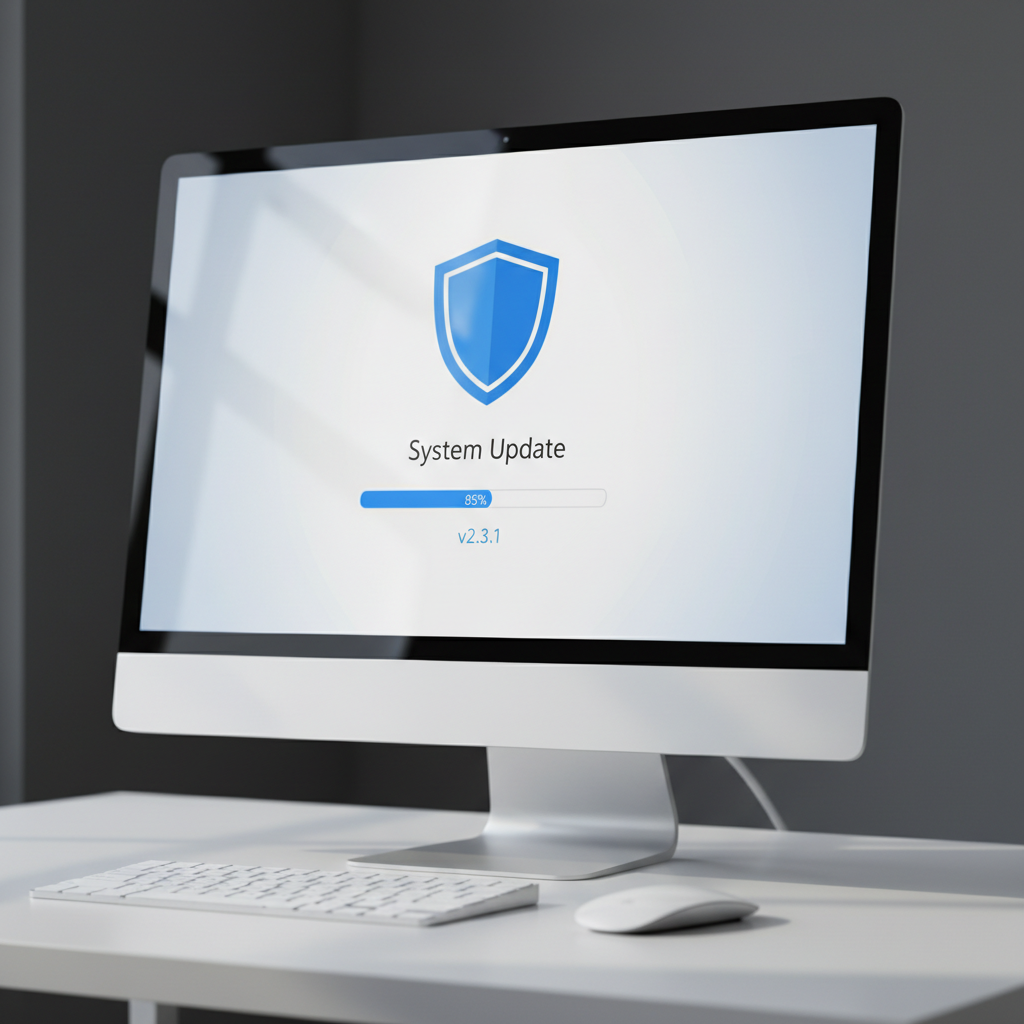
Updating the radar system's software is a straightforward task that can often be done at home. Manufacturers frequently release updates to improve performance and fix bugs. Ensuring your radar system is running the latest software version can enhance its accuracy and reliability.
Signal Testing
With the right equipment, you can perform basic signal testing. This involves checking the radar's ability to send and receive signals correctly. However, be mindful that advanced testing requires specialized tools and expertise.
What You Can't Do at Home
Precision Calibration
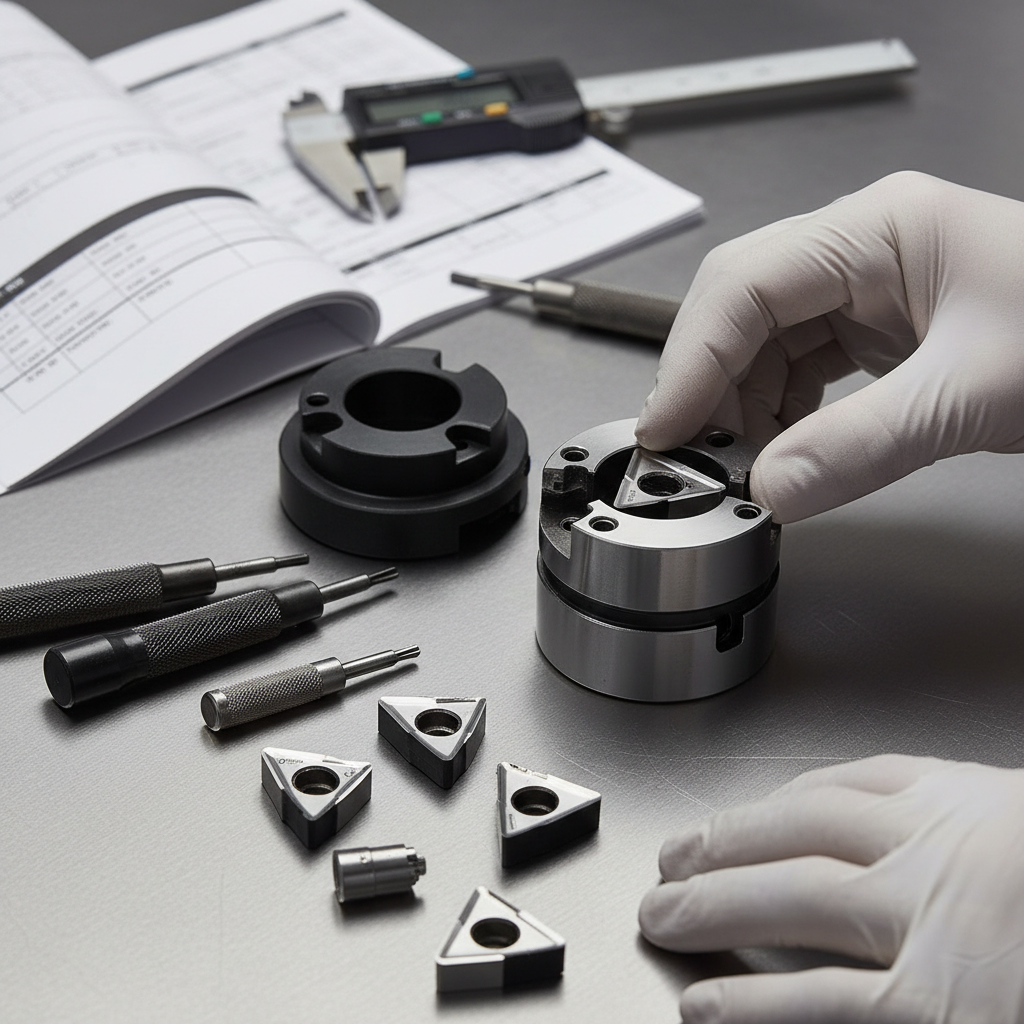
Precision calibration involves adjusting the radar system to meet exact specifications. This task requires specialized equipment and expertise, often beyond the reach of DIY enthusiasts. Attempting this at home can lead to inaccurate results or even damage to the system.
Environmental Testing
Radar systems must be tested under various environmental conditions to ensure they perform well in real-world scenarios. Such testing usually requires controlled environments and professional equipment, making it impractical for at-home calibration.
Safety Considerations
Handling radar equipment involves safety risks, especially when dealing with high-frequency signals. Professional calibration services adhere to strict safety protocols, which are difficult to replicate at home. Prioritizing safety is crucial when working with radar technology.
In conclusion, while some aspects of radar calibration can be managed at home, many tasks require professional expertise. Understanding your limitations ensures you maintain the integrity of your radar system while avoiding unnecessary risks.