
DIY Car Radar Calibration: What You Need to Know
Modern vehicles are increasingly equipped with advanced driver assistance systems (ADAS), which often include radar sensors. These sensors play a crucial role in features like adaptive cruise control and collision avoidance. However, after certain repairs or modifications, recalibrating these sensors is essential to ensure they function correctly. DIY car radar calibration can be a complex task, but with the right knowledge, you can tackle it effectively.
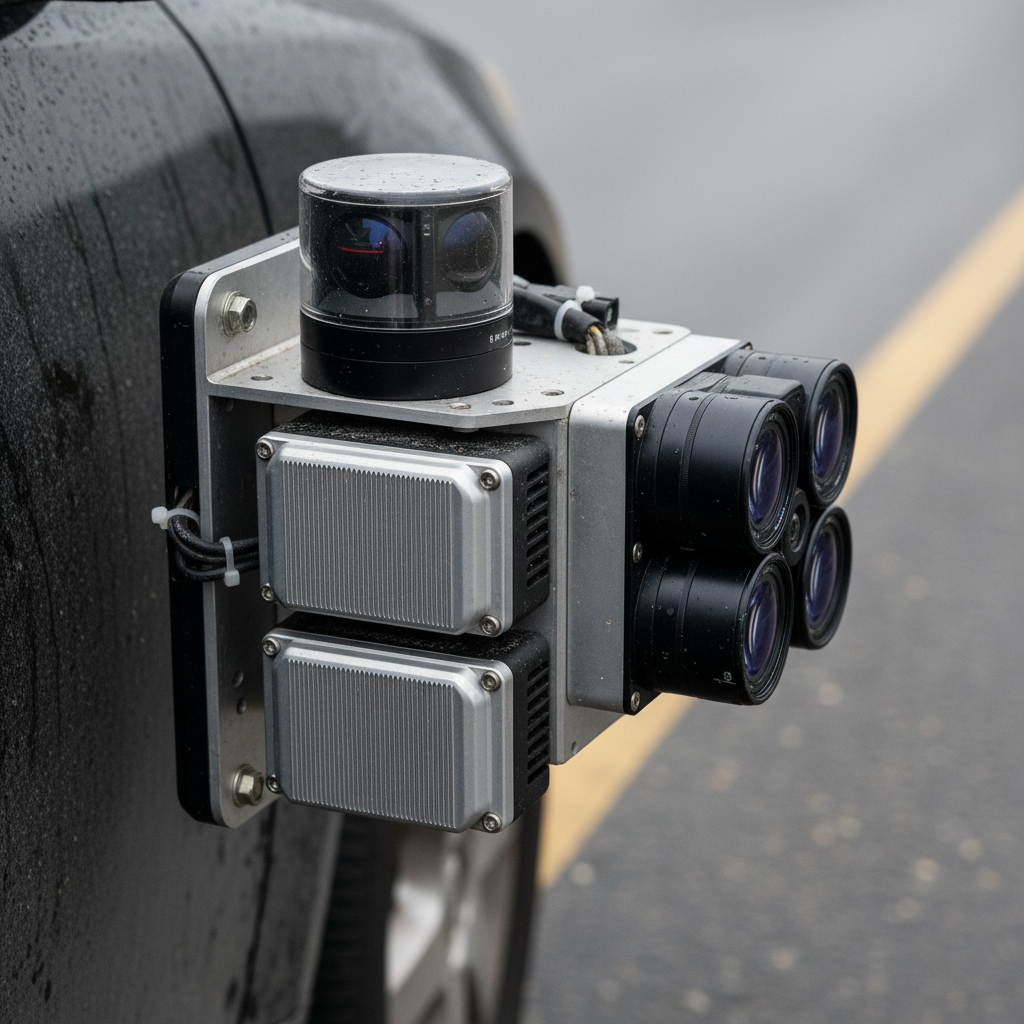
Understanding Radar Calibration
Radar calibration involves adjusting the sensors to align with the vehicle's frame and ensure accurate readings. This process is vital because even a minor misalignment can lead to inaccurate data, potentially compromising safety features. Calibration is typically required after events such as collisions, windshield replacements, or suspension changes.
Tools You Will Need
Before you begin, gather the necessary tools and equipment. These often include:
- A calibration kit specific to your vehicle's make and model
- A level surface for calibration tasks
- Access to the vehicle's diagnostic system
Having the correct tools ensures that the calibration process is precise and effective.
The Calibration Process
Once you have the tools ready, follow these general steps for calibration:
- Consult the Manual: Always refer to your vehicle's service manual for specific calibration instructions.
- Set Up the Calibration Kit: Ensure the calibration kit is properly positioned according to the manual's guidelines.
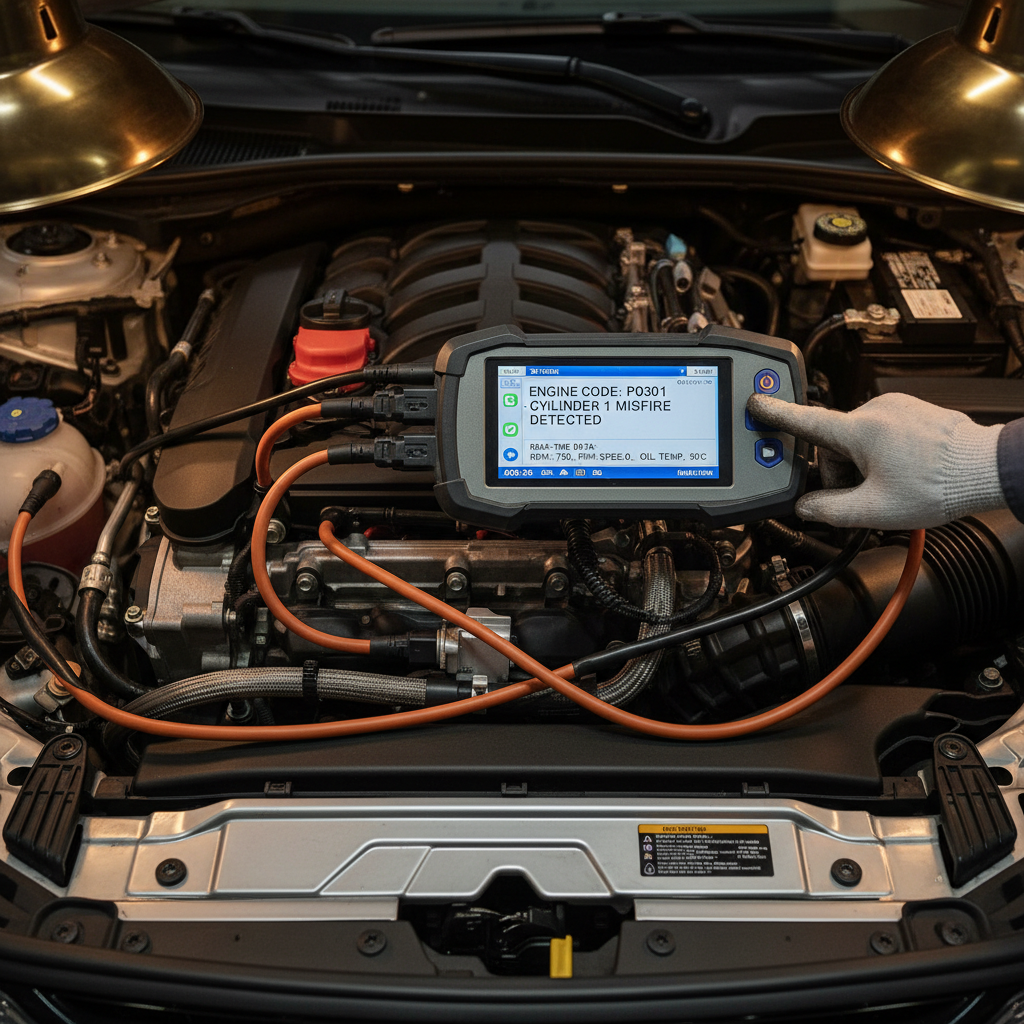
- Access the Diagnostic System: Use a diagnostic tool to enter calibration mode. This step is crucial for accurate adjustments.
- Adjust Sensor Alignment: Follow the on-screen instructions to align the sensors. Precision is key here.
Common Challenges
DIY calibration can present several challenges. Precision and patience are vital, as even slight errors can lead to improper sensor function. Additionally, some vehicles may have complex systems that require professional expertise. If you're unsure at any step, consulting with a professional can save time and ensure safety.
When to Seek Professional Help
While DIY radar calibration is possible, there are situations where professional assistance is recommended. If your vehicle has undergone significant structural changes, or if you lack the necessary equipment, a professional technician can provide the expertise needed to ensure optimal sensor performance.
Maintaining Calibration
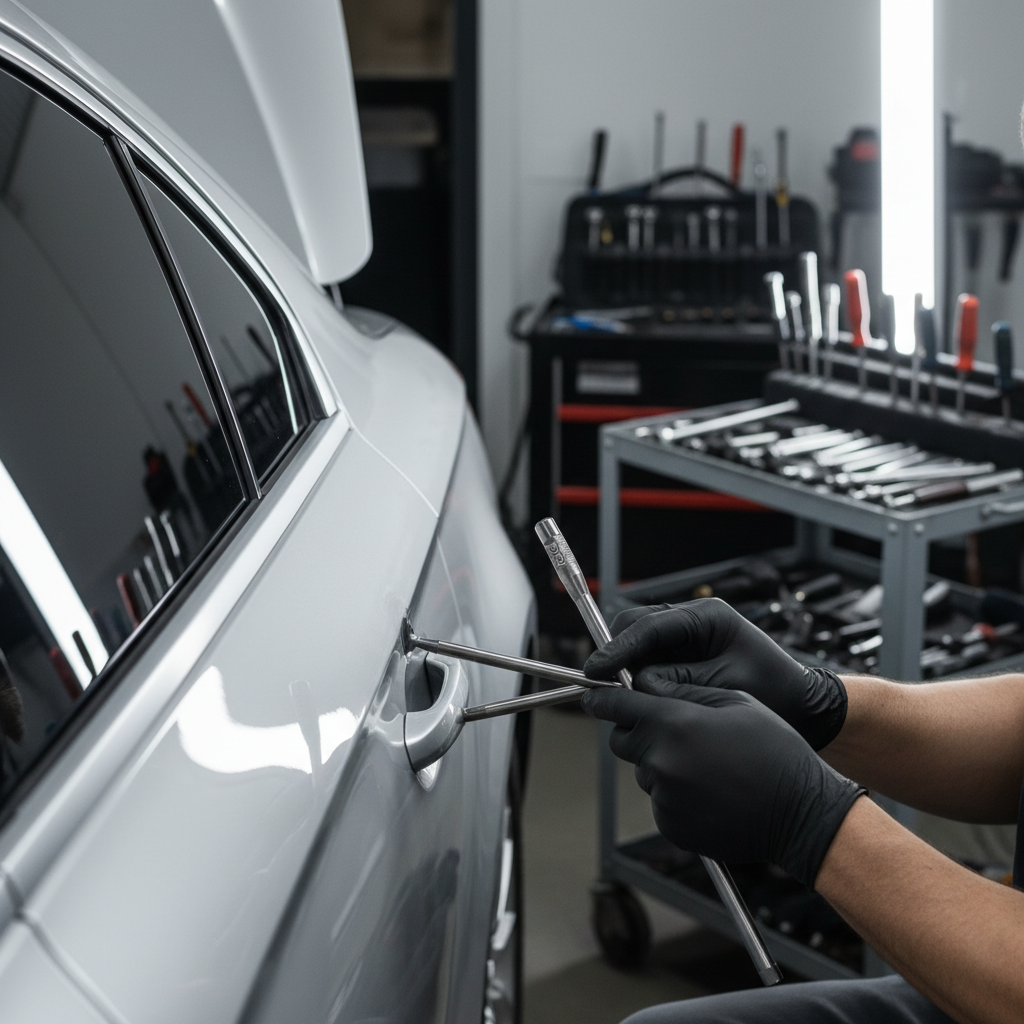
Once calibrated, maintaining the sensors is essential for continued performance. Regularly check for updates in your vehicle’s software, as manufacturers often release updates that can affect sensor calibration. Staying informed about these updates will help keep your vehicle's systems functioning correctly.
In conclusion, while DIY radar calibration is achievable with the right tools and knowledge, it requires careful attention to detail. By following the outlined steps and knowing when to seek professional help, you can ensure your vehicle's radar sensors are accurately calibrated and functioning as intended.