
Comprehensive Guide to ADAS Calibration in Dewsbury
Advanced Driver Assistance Systems (ADAS) are revolutionizing vehicle safety and driving efficiency. As these technologies become more prevalent, understanding their calibration is crucial, particularly in areas like Dewsbury where diverse driving conditions can pose unique challenges. This guide will explore the essentials of ADAS calibration, ensuring your systems function optimally.

What is ADAS Calibration?
ADAS calibration involves adjusting and aligning sensors, cameras, and radars that support a vehicle's advanced safety features. These systems rely on precise calibration to function effectively, assisting with tasks such as lane-keeping, collision avoidance, and adaptive cruise control. Proper calibration ensures the system's accuracy and reliability.
Why is Calibration Necessary?
Regular calibration is vital to maintain the integrity of ADAS features. Factors such as minor collisions, wheel alignment changes, or windshield replacements can disrupt sensor positioning. In Dewsbury, where weather conditions can vary, ensuring your systems are accurately calibrated is essential for safety and performance.

Types of ADAS Calibration
There are generally two types of ADAS calibration: static and dynamic. Static calibration occurs in a controlled environment using specialized equipment, while dynamic calibration requires driving the vehicle according to specific parameters. Both methods are crucial depending on the vehicle's make and model.
Choosing the Right Calibration Service
When selecting a calibration service in Dewsbury, consider the provider's experience and equipment. Look for certified technicians who use up-to-date tools and technology to ensure precise calibration. A reliable service will offer both static and dynamic calibration options to suit your vehicle's needs.
Steps in the Calibration Process
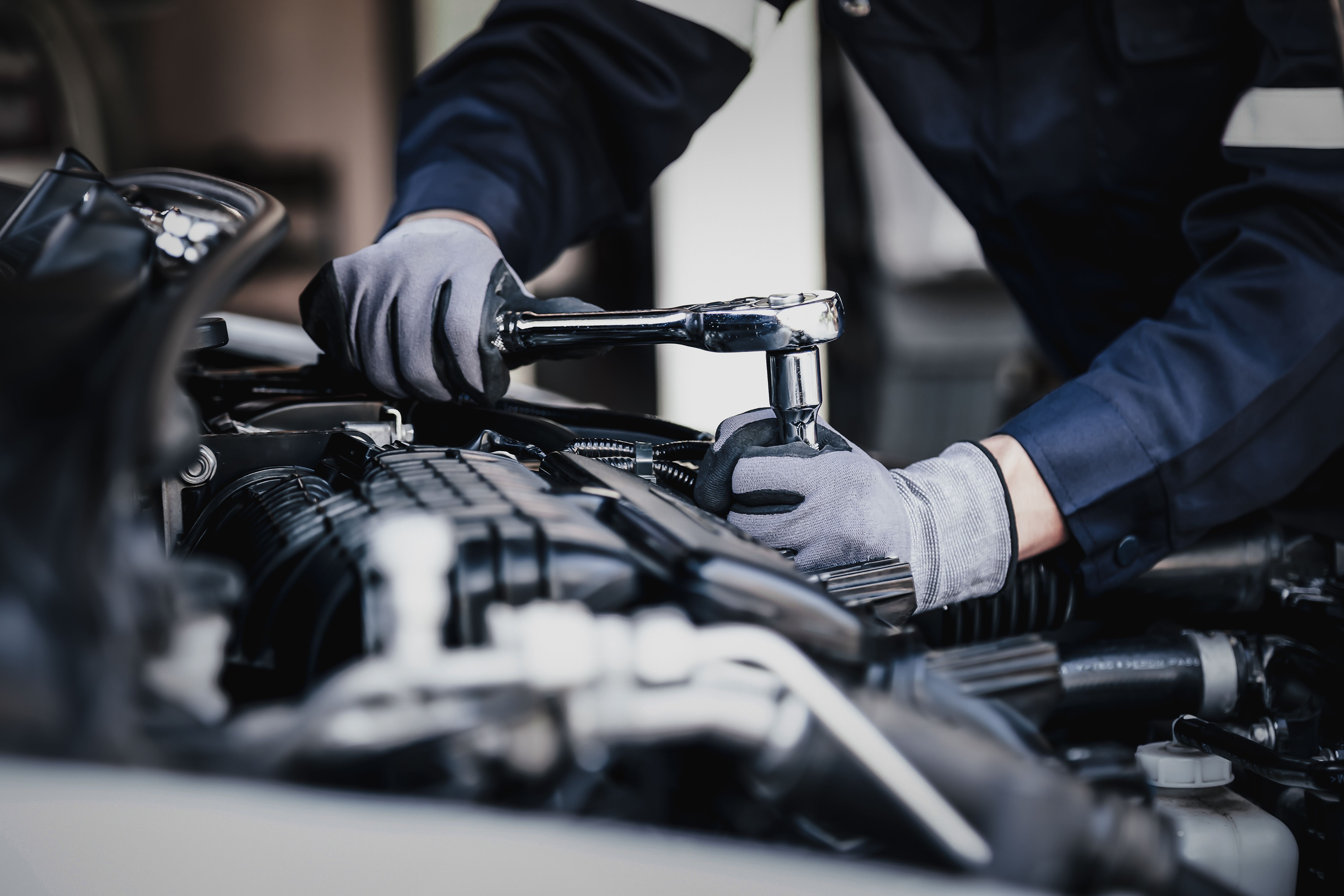
The calibration process involves several steps to ensure accuracy. Here’s a typical procedure:
- Initial diagnostics to identify calibration needs.
- Adjustment of cameras and sensors.
- Testing to verify system accuracy.
- Documentation of the calibration process.
Each step is crucial to ensure that the ADAS functions as intended, providing safety and confidence while driving.
Maintenance Tips
To maintain the effectiveness of your ADAS, consider these tips:
- Schedule regular inspections and calibrations.
- Keep sensors and cameras clean from dirt and debris.
- Be mindful of dashboard alerts indicating system malfunctions.
Adhering to these practices will help prolong the life of your ADAS components.
Conclusion
ADAS calibration is a critical aspect of modern vehicle maintenance. In Dewsbury, where driving conditions can be unpredictable, ensuring these systems are accurately calibrated is essential for safety and efficiency. By selecting a reputable service and following regular maintenance practices, you can enjoy the full benefits of ADAS technology.