
Common Misconceptions About Car Radar Calibration Debunked
Understanding Car Radar Calibration
Car radar systems are becoming increasingly prevalent, especially with the rise of advanced driver-assistance systems (ADAS). However, there are many misconceptions surrounding radar calibration that can lead to confusion. Below, we debunk some of the most common myths to help you understand why calibration is crucial.
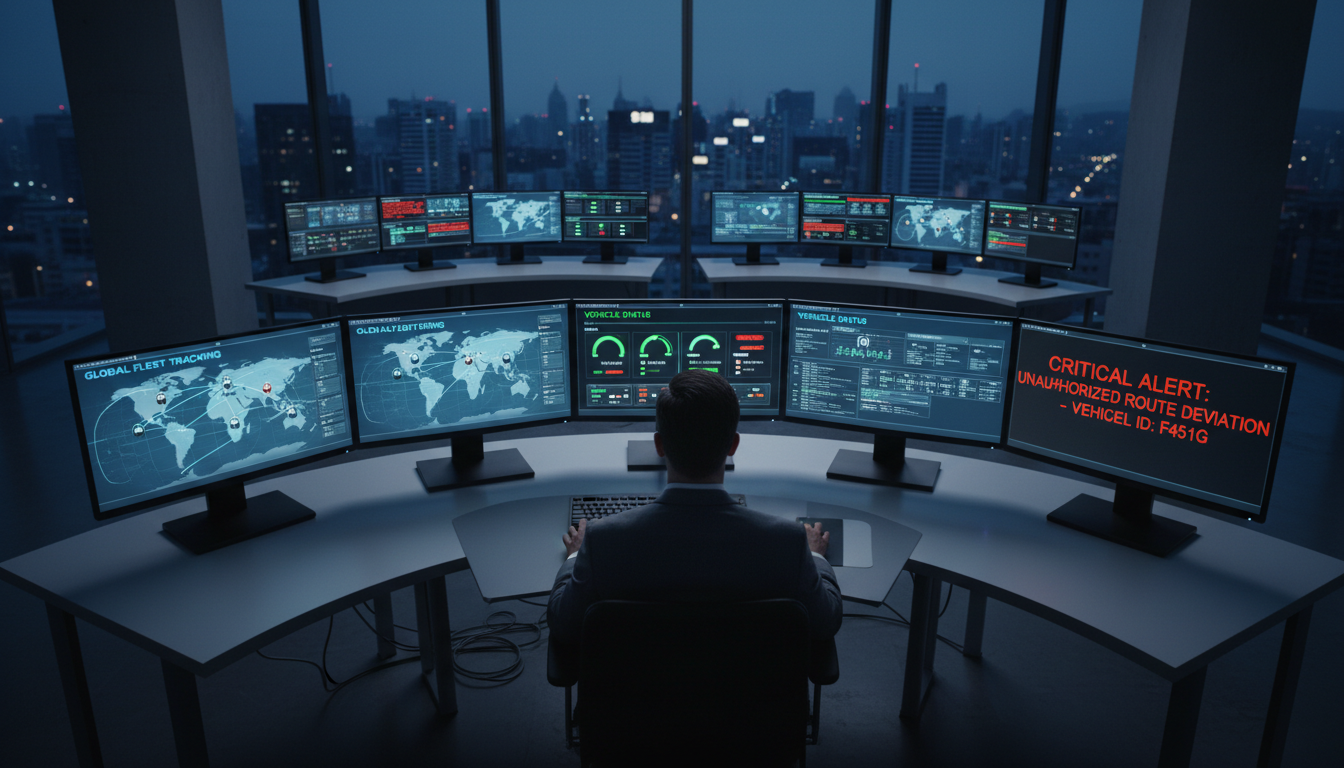
Myth 1: Calibration Is Rarely Needed
One widespread misconception is that radar calibration is a rare necessity. In reality, calibration is essential whenever the radar system is likely to be misaligned. This can occur after a collision, windshield replacement, or even after a wheel alignment. Regular calibration ensures that your system functions as intended, enhancing safety and performance.
Myth 2: Any Workshop Can Perform Calibration
Another myth is that any auto repair shop can perform radar calibration. However, this process requires specialized equipment and trained technicians. Without the correct tools and expertise, improper calibration can lead to inaccurate readings, compromising safety features like adaptive cruise control and collision warnings.
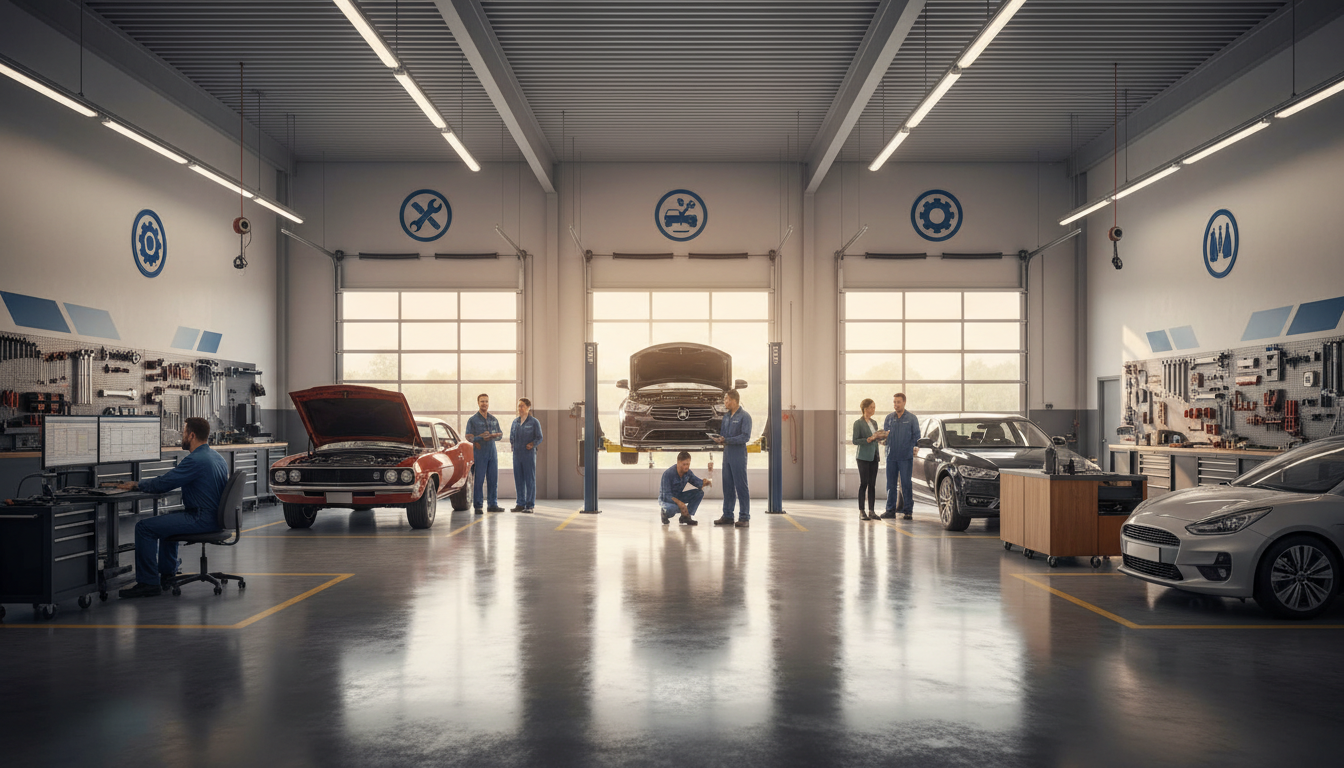
The Importance of Professional Calibration
Professional calibration is crucial for maintaining the effectiveness of your vehicle's radar systems. Certified technicians use precise instruments to adjust the radar sensors to the manufacturer's specifications, ensuring optimal performance. This not only improves safety but also extends the longevity of your car’s systems.
Myth 3: Calibration Is Expensive and Unnecessary
Many car owners believe that radar calibration is an unnecessary expense. On the contrary, neglecting calibration can lead to more costly repairs and safety risks. Investing in proper calibration at recommended intervals can save you money in the long run by preventing accidents and component damage.
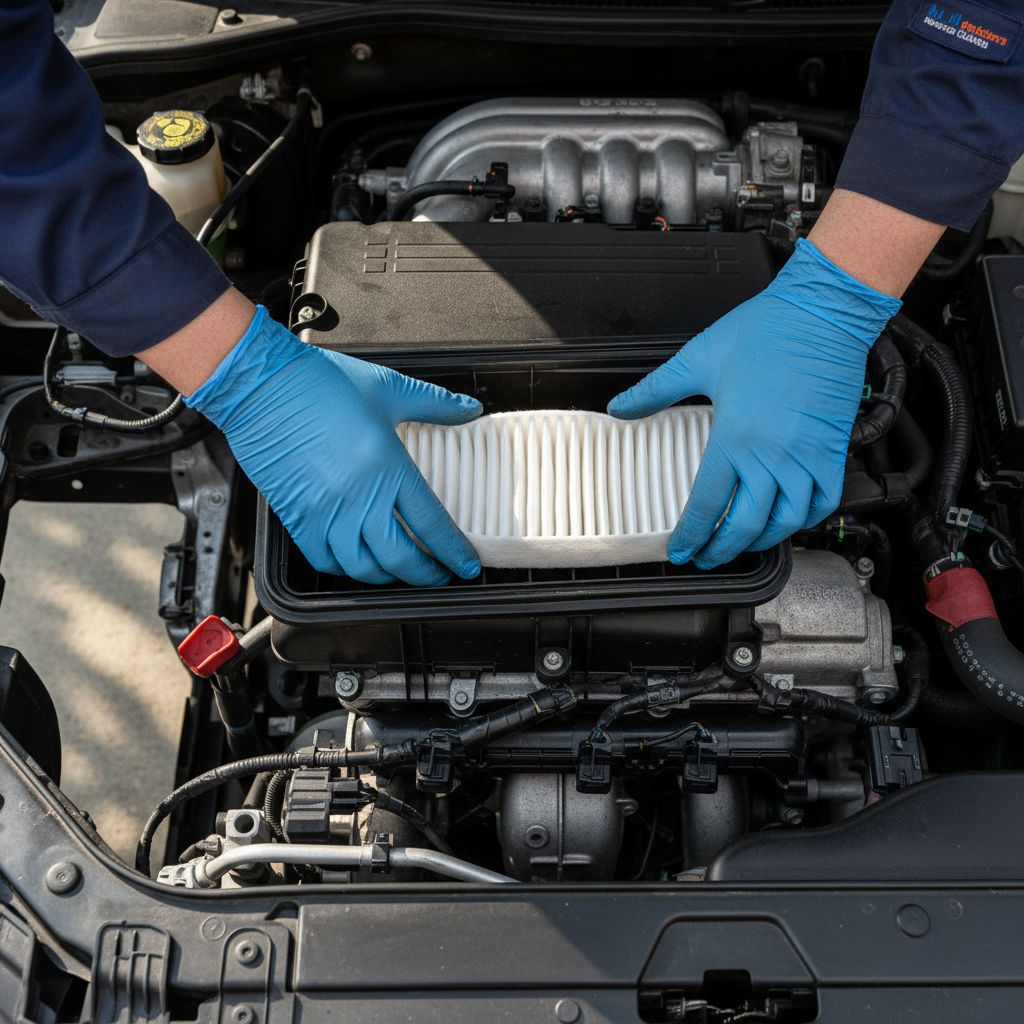
How Often Should Calibration Be Done?
It's important to know when your vehicle's radar system needs calibration. While it varies by manufacturer, general guidelines include after any service affecting the radar sensors, such as:
- Windshield replacement
- Collision repairs
- Suspension adjustments
- ADAS sensor replacement
Myth 4: DIY Calibration is Possible
Some car enthusiasts might think they can perform radar calibration themselves. This is a misconception, as calibration involves intricate processes that require professional-grade equipment and expertise. Attempting DIY calibration can lead to improper adjustments and potentially dangerous situations on the road.
Conclusion
Debunking these misconceptions highlights the importance of regular, professional radar calibration. Ensuring your vehicle's radar systems are correctly calibrated contributes to safer driving experiences and helps maintain the functionality of advanced safety features. Always consult with qualified technicians to keep your radar systems in top condition.