
Common Misconceptions About ADAS Calibration and How to Avoid Them
Understanding ADAS Calibration
Advanced Driver-Assistance Systems (ADAS) play a crucial role in enhancing vehicle safety by providing features like lane departure warnings and automatic emergency braking. However, the effectiveness of these systems largely depends on proper calibration. Misunderstandings about ADAS calibration can lead to compromised safety and performance.
One common misconception is that ADAS calibration is only necessary after a major accident. In reality, even minor incidents or routine maintenance, such as windshield replacements or wheel alignments, can affect ADAS functionality. Therefore, it's essential to ensure that calibration is performed whenever the vehicle's sensors or cameras are disturbed.
The Importance of Professional Calibration
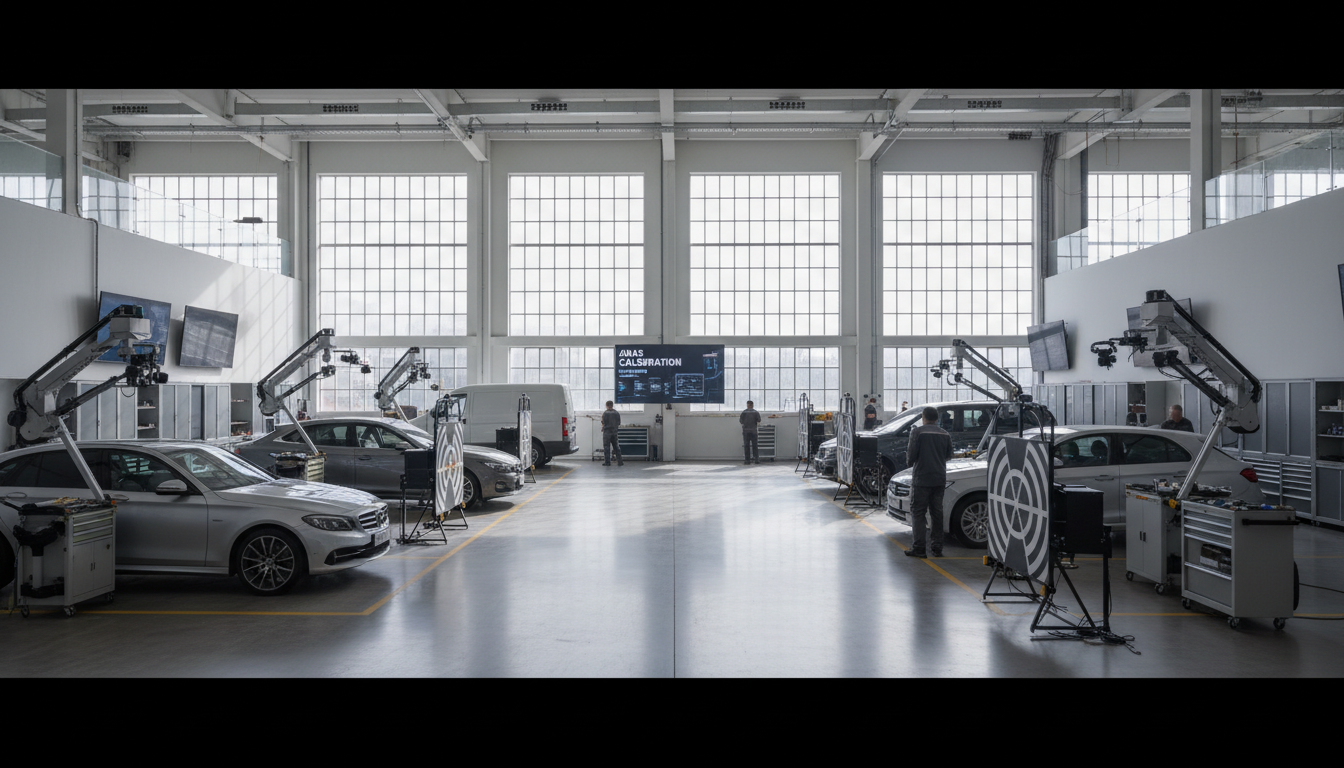
Many vehicle owners believe they can calibrate ADAS features themselves. This is a risky misconception. Professional calibration is crucial because it involves precise adjustments that require specialized equipment and expertise. DIY attempts can lead to inaccurate calibrations, which might render the ADAS features ineffective.
Vehicle manufacturers provide specific guidelines for ADAS calibration, and these should always be followed. Rely on certified technicians who have access to the right tools and knowledge to perform accurate calibrations.
When to Calibrate ADAS
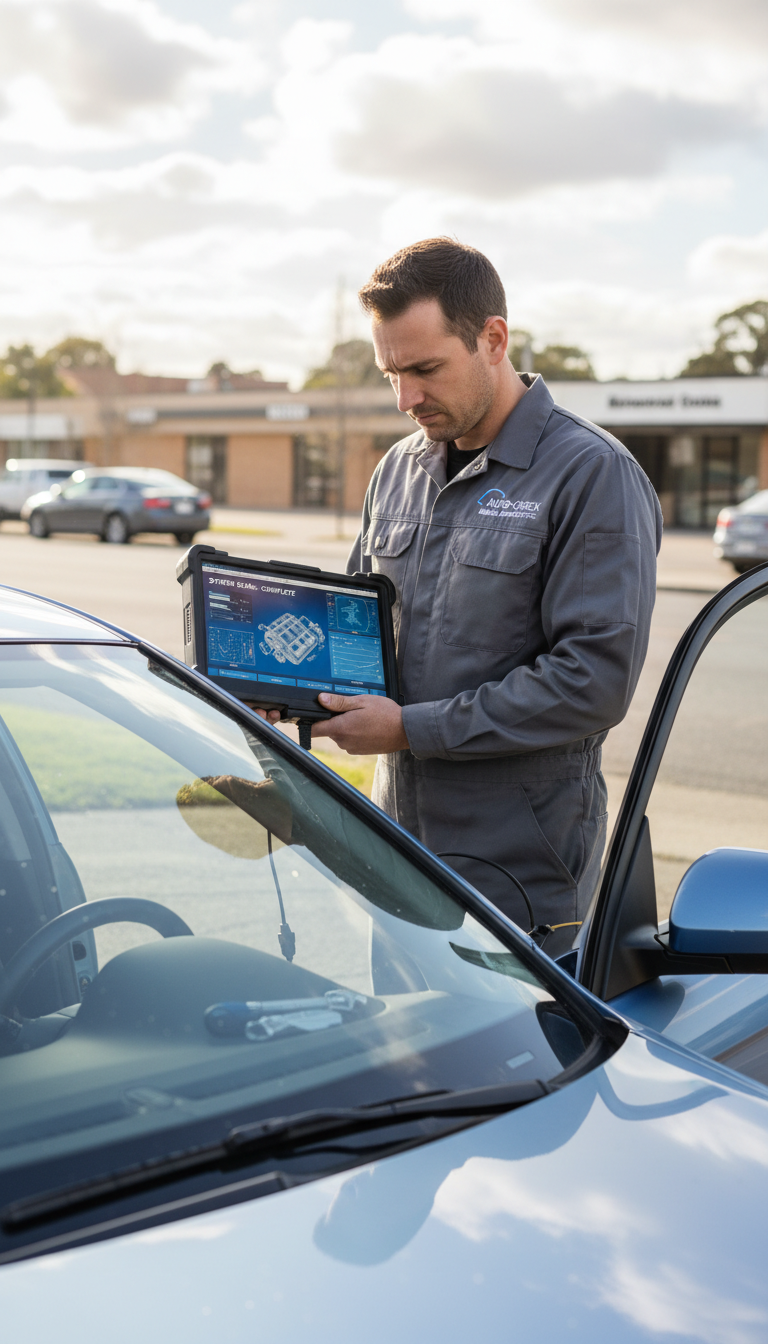
Another widespread misunderstanding is that ADAS calibration is a one-time task. In fact, calibration should be part of regular vehicle maintenance. Here are some situations that necessitate recalibration:
- After replacing or repairing a windshield
- Following a collision or impact
- After suspension changes or wheel alignments
- When warning lights for ADAS features activate
Regular checks ensure that the systems function optimally and provide maximum safety.
Choosing the Right Service Provider
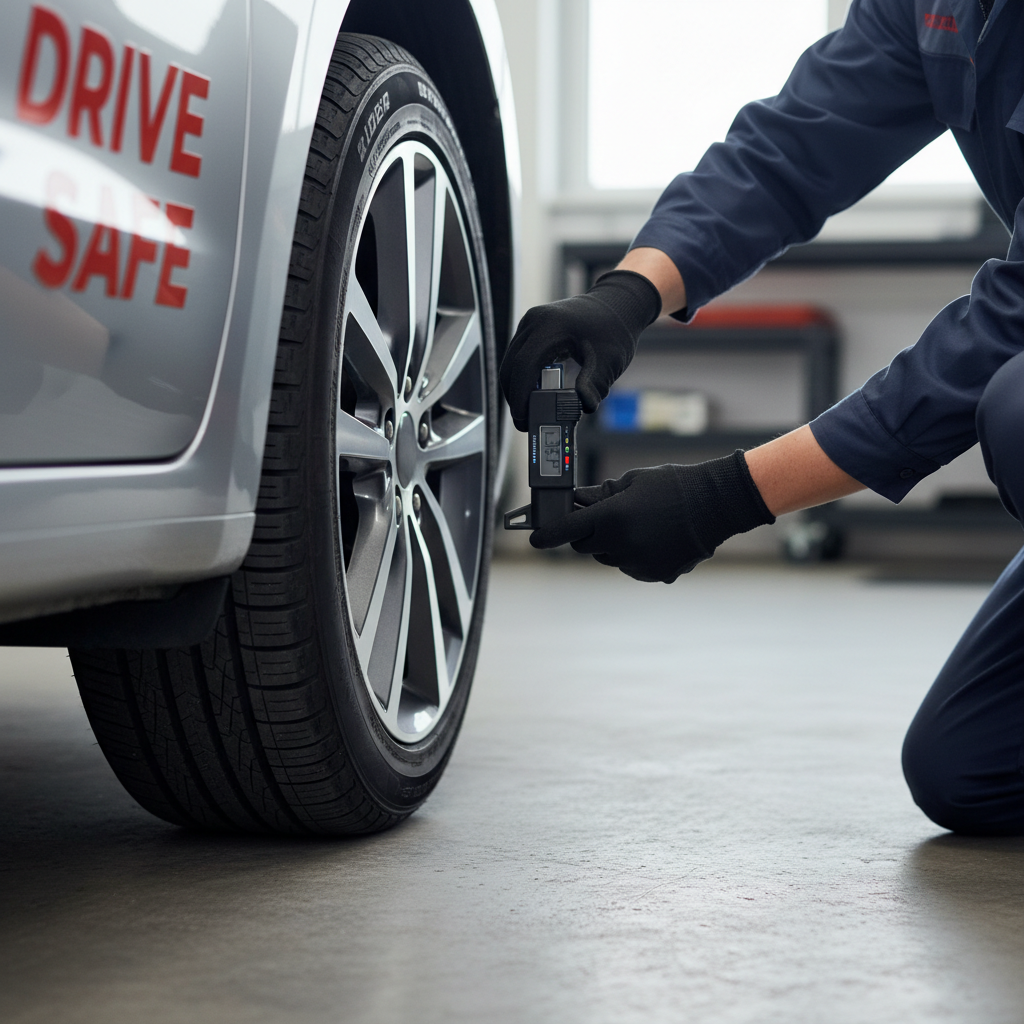
Not all service providers are created equal when it comes to ADAS calibration. It's important to select a provider with a proven track record and the necessary certifications. Look for facilities that use the latest technology and equipment that comply with manufacturer standards.
Evaluating customer reviews and testimonials can also provide insights into the reliability and quality of service offered by a calibration provider.
Conclusion: Stay Informed and Safe
Understanding the importance of ADAS calibration and dispelling common misconceptions is critical for maintaining vehicle safety. By ensuring that your vehicle's ADAS features are properly calibrated, you can enjoy peace of mind knowing that these systems are ready to assist you whenever needed.
Stay informed, choose professional services, and make ADAS calibration a regular part of your vehicle's maintenance routine. Doing so not only enhances your safety but also contributes to the overall longevity and performance of your vehicle.