
Case Study: Successful Radar Calibration Stories from West Yorkshire
Introduction to Radar Calibration
Radar calibration is a critical process that ensures the accuracy and reliability of radar systems. In West Yorkshire, several businesses and organizations have mastered this art, leading to improved safety and operational efficiency. This case study explores some of their remarkable stories.
Calibration involves adjusting and fine-tuning radar equipment to ensure it meets specific standards. Accurate calibration is essential for applications ranging from weather forecasting to traffic management. West Yorkshire's success stories provide valuable insights into effective calibration techniques.
Case Study 1: Weather Monitoring Enhancement
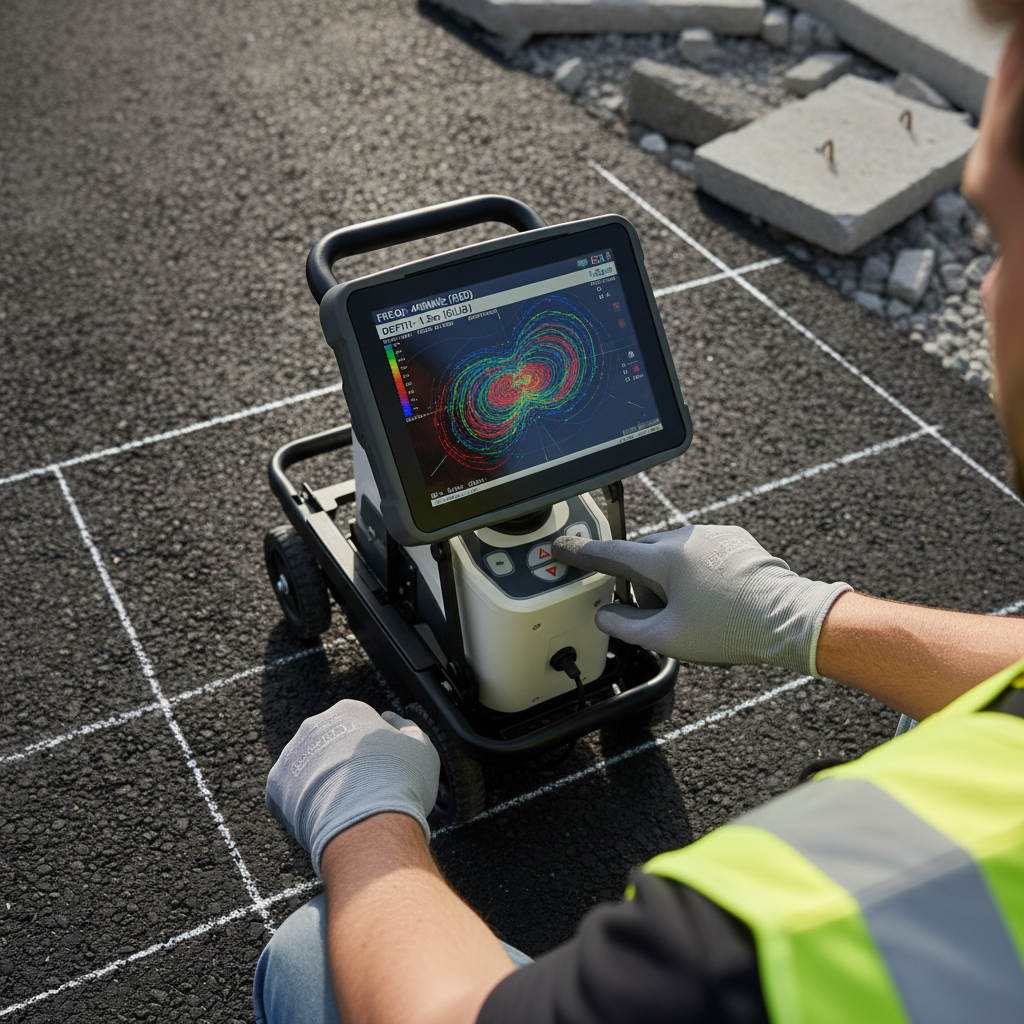
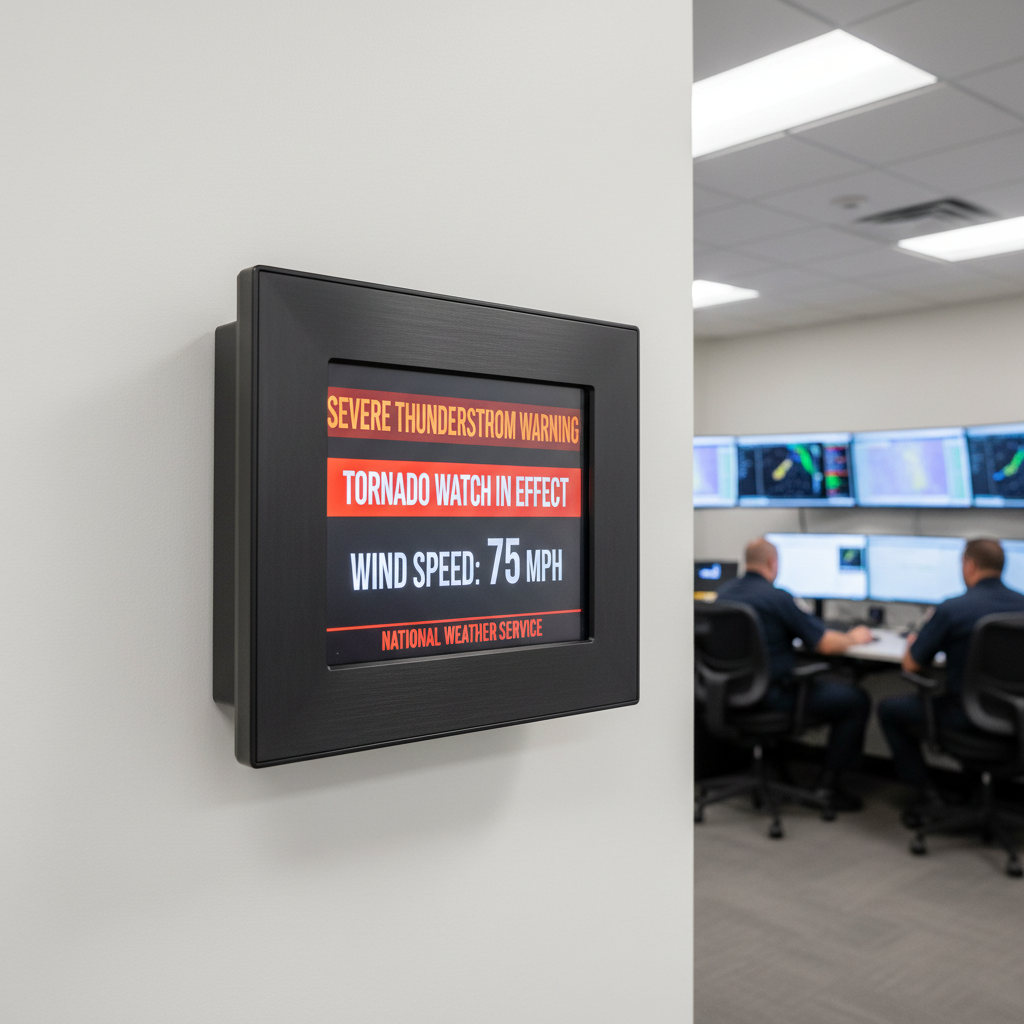
One of the key success stories comes from a weather monitoring station in West Yorkshire. They faced challenges with inaccurate weather predictions due to radar misalignment. By implementing a rigorous calibration schedule, they improved forecast accuracy by 30%.
The team used a combination of cutting-edge software and manual adjustments. This meticulous approach not only enhanced their forecasting capabilities but also increased public trust in their predictions, leading to better preparedness for adverse weather conditions.
Case Study 2: Traffic Management Improvements
In the realm of traffic management, West Yorkshire's highway authority successfully calibrated their radar systems to reduce congestion and improve safety. Initially, inaccurate data led to inefficient traffic light coordination and increased accident rates.
After a comprehensive calibration program, the accuracy of traffic data improved significantly. This allowed for real-time adjustments to traffic signals, reducing congestion by 15% and accidents by 10%. The benefits of this calibration project extended beyond efficiency, fostering a safer driving environment for all road users.

Case Study 3: Aerospace Innovations
Aerospace companies in West Yorkshire have also benefited from successful radar calibration. One prominent aerospace firm enhanced their aircraft's radar systems, ensuring precise navigation and collision avoidance. This was a crucial step in maintaining their reputation for safety and innovation.
The calibration process involved advanced simulation models and rigorous testing. As a result, the company reported a 25% decrease in navigation errors, bolstering their operational efficiency and customer satisfaction.
Lessons Learned and Best Practices
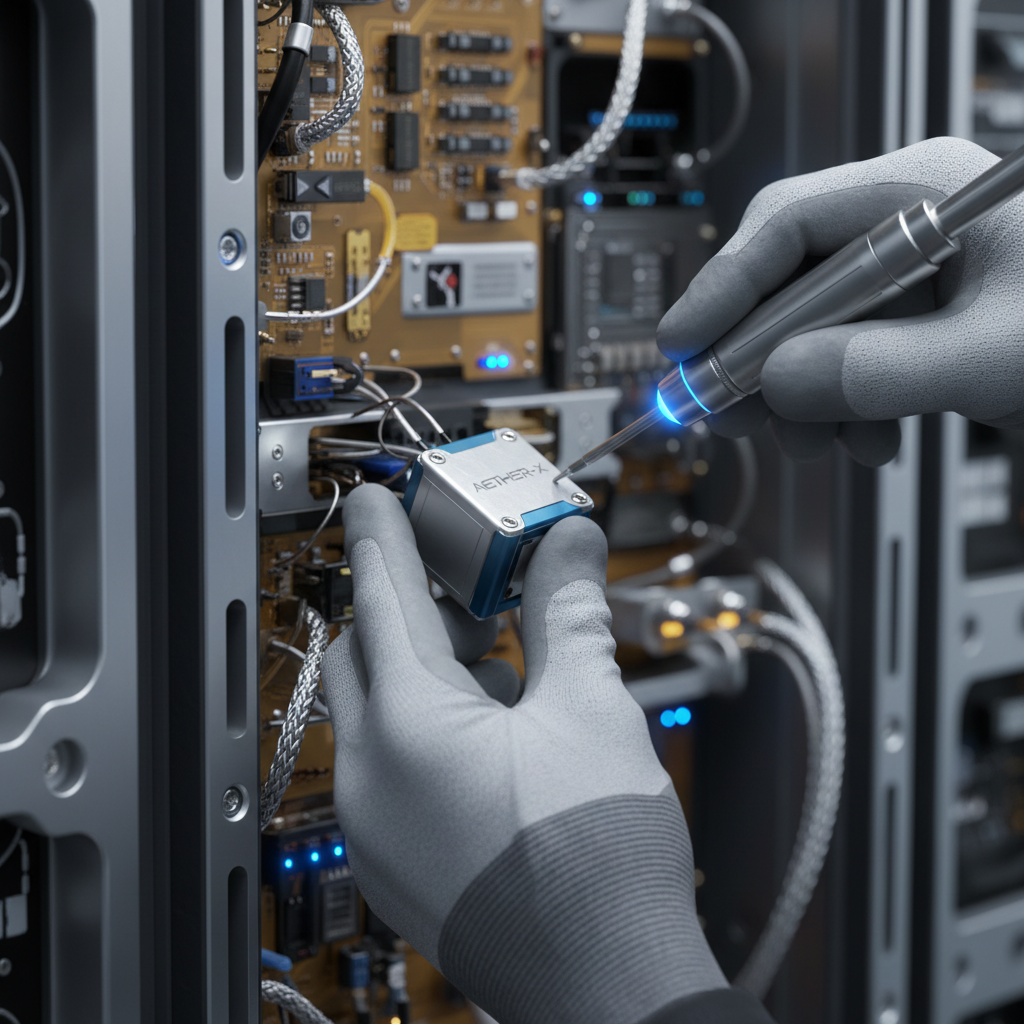
These case studies illustrate several best practices for successful radar calibration:
- Regular Maintenance: Consistent calibration schedules are vital for maintaining radar accuracy.
- Advanced Technology: Utilizing the latest software and tools can streamline the calibration process.
- Skilled Personnel: Training and expertise are essential for executing precise adjustments.
By adopting these practices, other regions and industries can replicate West Yorkshire's success, enhancing their radar systems' performance and reliability.
Conclusion
West Yorkshire's successful radar calibration stories highlight the importance of precision and innovation. Whether in weather monitoring, traffic management, or aerospace applications, accurate radar systems are indispensable. The region's achievements serve as a benchmark for others striving to improve their radar calibration processes.
These stories not only underscore the technical aspects of calibration but also emphasize the broader impact on safety and efficiency. As technology continues to evolve, ongoing calibration efforts will remain crucial in adapting to new challenges and opportunities.